
Can Your Business Qualify for NBFC Registration in India?

NBFC registration in India

You’ve identified a lending opportunity. Maybe small manufacturers need equipment finance. Maybe local businesses have trouble getting working capital. You know the customers well, You have a team ready, You are thinking about how to fund the loans. The next question is whether your business can qualify for RBI registration. If you’re exploring NBFC Registration in India, start by reviewing the business model, capital and people behind the proposal. Getting these foundations clear is more useful than collecting documents without knowing which category applies. 

This guide focuses mainly on a proposed lending business, particularly an NBFC–Investment and Credit Company, or NBFC-ICC. Other categories can have different requirements. 

What Are the Eligibility Requirements for NBFC Registration? 

Basically a proposed applicant must have the company structure, a qualifying business model, the required Net Owned Fund, good management and a trustworthy operating plan. Also the applicant should verify all requirements and exemptions. 

For a fresh NBFC-ICC applicant, the prescribed minimum Net Owned Fund is ₹10 crore. Meeting that figure alone does not guarantee registration. Treat eligibility as a review of the whole business: 

  • What financial activity will it undertake? 
  • Who owns and controls the company? 
  • Where will its capital come from? 
  • Who will manage lending and risk? 
  • Can the proposal be supported by reliable records? 

These questions should be answered together, rather than treated as unrelated paperwork. 

Start With Your Business Model 

“Financial services” can describe several different activities. Lending your own company’s funds, operating a peer-to-peer platform and providing account-aggregation services are not interchangeable models. Before choosing a category, write down what your business will actually do. 

For example: 

  • Who will provide the funds? 
  • Who will lend to the customer? 
  • Who will carry the credit risk? 
  • What income will the company earn? 
  • Will the business interact directly with borrowers? 

A clear explanation helps identify the relevant regulatory route. It also prevents you from preparing an application around a label that doesn’t match the proposed activity. 

Understand the Principal Business Test 

RBI’s principal business criteria generally require financial assets to exceed 50% of total assets, net of intangible assets, and income from financial assets to exceed 50% of gross income. Both conditions matter. This is often called the 50–50 test. 

For an existing company, review the accounts carefully. For a proposed business, discuss how the intended activity and projections should be presented. Don’t assume you should begin regulated lending simply to demonstrate the test. Establish the required registration position before commencing the relevant business. 

Capital Requirements for NBFC Registration in India 

Capital is usually the first number promoters ask about—and the easiest one to misunderstand. 

The ₹10 crore requirement applies to a fresh NBFC-ICC proposal. It is not a universal figure for every NBFC category. RBI prescribes different requirements for activities such as account aggregation, peer-to-peer lending and infrastructure finance. Also, don’t confuse transitional timelines available to certain existing NBFCs with the requirements for a fresh applicant. 

Capital Is More Than a Bank Balance 

Net Owned Fund is a regulatory calculation. Ask your accountant to explain which items qualify and which adjustments apply. Your review should cover: 

  • The proposed ownership and capital contribution. 
  • The source and movement of funds. 
  • Supporting financial records. 
  • The impact of losses and relevant deductions. 
  • The company’s ability to maintain the required position. 

Separately, prepare an operating budget. Salaries, technology, professional support and customer servicing still need funding. 

Capital planning should therefore answer two questions: can the company meet the regulatory requirement, and can it operate sustainably? Those are related, but they are not identical. 

Choose the Right Company Structure and Category 

The ordinary RBI registration route is for a company incorporated under the Companies Act. A sole proprietorship or LLP should not assume it can use the same application route. Review the company’s constitutional documents and ensure the proposed activities are properly reflected. 

Also check whether registration is required at all. Current rules provide a conditional exemption for certain entities without public funds or customer interface, with assets below ₹1,000 crore. This is not a general exemption for customer-facing lenders. 

When assessing NBFC eligibility criteria, explain your intended operations honestly. Choosing a cheaper or simpler category that doesn’t fit the business can create bigger problems later. 

Review Your Promoters, Directors and Management 

A lending business needs people who can make sound credit decisions, monitor repayments and respond when things go wrong. 

RBI’s governance directions require at least one director to have relevant experience of working in a bank or NBFC. Other governance requirements depend on the applicable category and regulatory layer. Beyond checking qualifications, consider how your team will work: 

  • Who approves credit policy? 
  • Who can authorise a loan? 
  • Who reviews overdue accounts? 
  • Who manages compliance and reporting? 
  • Who handles customer complaints? 
  • Who challenges risky growth assumptions? 

Discuss relevant directorships, business interests and past regulatory issues with your advisers early. Incomplete explanations are harder to resolve when they emerge during application review. 

Build a Business Plan You Can Support 

Preparing for NBFC Registration in India means explaining how the proposed business will function—not simply producing an attractive forecast. 

Suppose you plan to offer working-capital loans to small retailers. Your plan should explain how you will assess businesses with seasonal income, set limits, monitor repayments and deal with overdue balances. 

Useful planning questions include: 

  • What is the typical loan size? 
  • How will you verify repayment capacity? 
  • What pricing assumptions are you using? 
  • How quickly do you expect the loan book to grow? 
  • What happens if collections fall below expectations? 
  • How will you fund lending after the initial contribution? 

Test a slower-growth scenario too. A plan that works only when every assumption goes well needs more thought. 

Your team should understand the numbers well enough to explain them without reading from a presentation. 

Prepare Documents That Tell a Consistent Story 

The strongest application file is one in which the ownership details, financial records and business plan agree. 

If the projected lending model differs from the board-approved proposal, resolve the difference before filing. If shareholding has changed, make sure the relevant records reflect it. Your preparation file may include: 

  • Incorporation and constitutional documents. 
  • Ownership and group-structure information. 
  • Director details and supporting declarations. 
  • Financial statements and capital evidence. 
  • Business plans and projections. 
  • Board resolutions and undertakings. 
  • Relevant policies and operational information. 

Use the Correct Application Checklist 

RBI offers checklists that’re specific to each category, RBI also points applicants to the PRAVAAH portal where they can submit registration applications. RBI advises using the form and the correct checklist, RBI does not want applicants to use a document list. 

An NBFC Registration Consultant can help review gaps and coordinate preparation. Agree on the scope, responsibilities and professional fees in writing. 

Keep copies of everything submitted, along with acknowledgements and responses to subsequent questions. 

Common Eligibility Mistakes 

Several avoidable assumptions can weaken preparation: 

  • Using an outdated capital figure: Verify the current requirement for the chosen category. 
  • Treating capital as the entire budget: Plan for operations and lending liquidity too. 
  • Copying another business plan: Your projections must reflect your customers and operating model. 
  • Choosing the category too early: Settle the activity before selecting the route. 
  • Leaving ownership questions unresolved: Explain who contributes funds and controls the company. 
  • Assuming technology replaces oversight: A lending system still needs policies, monitoring and accountable people. 

Reviewing the NBFC registration requirements early helps your team identify these issues before they become expensive commitments. 

Your Pre-Application Checklist 

Before filing, bring your advisers and decision-makers together for a final review. Confirm that: 

  • The proposed activity has been classified correctly. 
  • Applicable exemptions have been assessed. 
  • Capital and its source are documented. Ownership records are consistent. 
  • Directors’ experience and responsibilities are clear. 
  • Projections have been checked. 
  • Operational and compliance arrangements are planned. 
  • The current application requirements have been reviewed. 

If something remains unresolved, record the action and owner. “We’ll sort it out later” is rarely a useful preparation strategy. 

Frequently Asked Questions:

Does Having ₹10 Crore Guarantee Approval?

No. For a fresh NBFC-ICC applicant, capital is one requirement. The overall application, business model, management and supporting information also need assessment.

Can a New Company Apply?

A new company can explore the relevant registration route. It still needs to demonstrate that its proposed structure, capital, management and operations meet applicable requirements. 

Does Registration Automatically Allow Public Deposits?

No. Do not build a funding plan on that assumption. Deposit-taking permissions and restrictions need separate review.

Can a Consultant Promise a Fixed Approval Date?

Be cautious about unconditional promises. Review questions, document quality and the regulator’s assessment can affect the outcome and schedule.

Conclusion

Qualifying for NBFC Registration in India begins with understanding the business you intend to run. Confirm the category, review capital, choose suitable people and prepare records that support your plan. Before starting the NBFC registration process in India, resolve the important gaps. That gives your team a clearer basis for applying and operating responsibly after approval.

Cost of Starting an NBFC in India: What Should You Budget for Before Launch?

cost of starting an nbfc in India

You have an idea for a lending business. Maybe you want to help small businesses buy equipment, offer vehicle finance or serve customers who need another borrowing option. You start researching NBFC registration and see a capital requirement. Then you ask the obvious question: is that all the money I need? Not quite. The cost of starting an NBFC in India includes more than the funds needed to meet regulatory requirements. You’ll also need to think about professional support, technology, staff, compliance and how you’ll finance loans once the business starts operating. 

If you’re exploring NBFC Registration in India, it helps to look at those costs together. A complete plan gives you a clearer picture of what it will take to launch and keep the business running. 

How Much Does It Cost to Start an NBFC in India? 

For a new NBFC Investment and Credit Company, RBI generally requires a minimum Net Owned Fund of ₹10 crore at registration. That amount is regulatory capital; it is not a fee paid to RBI. 

You’ll also need to budget for incorporation, application support, staff, technology, compliance and your lending operations. Specialised NBFC categories have different requirements, so the total depends on your proposed activity and business plan. 

Start by separating the numbers into four groups: 

  • Regulatory capital: The Net Owned Fund requirement for your category. 
  • Setup expenses: Incorporation, documentation and professional support. 
  • Operating expenses: People, systems, premises and compliance. 
  • Lending and liquidity: How you’ll fund loans and meet your own obligations. 

Once you can see each part, it becomes easier to ask how much money the business needs—and when. 

First, Understand the Capital Requirement 

The capital requirement is often the biggest number founders see when researching the cost of starting an NBFC in India. It deserves careful attention. 

RBI’s FAQ lists ₹10 crore as the general minimum Net Owned Fund for a new applicant, while certain specialised categories have different requirements. An NBFC Account Aggregator, for example, has a different business model and requirement from a lending company. 

Before discussing numbers with investors, be clear about what you want the business to do: 

  • Will it provide loans from its own balance sheet? 
  • Who are the intended borrowers? 
  • What products will it offer? 
  • How will it fund those products? 
  • Which NBFC category fits the proposed activity? 

Those answers shape the capital discussion. 

Net Owned Fund Isn’t a Fee 

This distinction is easy to miss. Net Owned Fund, or NOF, is a regulatory measure of qualifying funds after applicable adjustments. It is not simply the amount of authorised share capital, a promise from investors or the balance in one bank account. 

It also isn’t a payment that disappears when you apply. 

Ask a qualified professional to calculate NOF from the company’s actual financial position. Then look at your projections: could operating losses or changes in the balance sheet affect your position later? 

The NBFC minimum capital requirements are a starting point for planning. Your business also needs a realistic view of how it will operate after receiving registration. 

What Do NBFC Registration Fees Include? 

When a provider gives you a price for “NBFC registration,” ask what that price actually covers. 

Does it include company incorporation? Preparing the business plan? Responding to RBI queries? Or does it cover a narrower part of the work? 

Early expenses may include: 

  • Company incorporation and applicable MCA charges. 
  • Stamp duty, where applicable. 
  • Digital signatures and company documentation. 
  • Preparation of financial records. 
  • Professional assistance with the application. 
  • Verification and other agreed third-party costs. 

The amounts vary by company and engagement. Check RBI’s current application process and any applicable regulatory charges directly, and don’t assume the consultant’s package price is an official RBI fee. 

A written quotation should show government payments, professional charges, applicable taxes and exclusions separately. That makes it much easier to compare two proposals. 

Professional Fees: Ask About the Work, Not Just the Price 

Preparing an NBFC application involves explaining the proposed business, ownership, capital and operating plan. Depending on what you agree with a professional, their work may include: 

  • Assessing the proposed category. 
  • Reviewing director and ownership information. 
  • Checking the NOF calculation and supporting documents. 
  • Preparing or reviewing the business plan. 
  • Coordinating the application. 
  • Helping respond to queries. 

Before accepting a quote, ask: 

  • Is the business plan included? 
  • Who prepares the financial projections? 
  • Are responses to RBI queries included? 
  • Does the engagement continue after registration? 
  • What work will be charged separately? 

There isn’t one professional fee that fits every application. A simpler assignment and a more involved engagement may have very different scopes. Compare what you’re receiving before deciding which quote works for you. 

Technology Costs: What Will You Need to Run the Business? 

Think beyond the application for a moment. Once the NBFC begins operating, how will it process a loan from start to finish? 

You’ll need a way to receive applications, assess customers, maintain records, track repayments and respond when something goes wrong. Your exact setup depends on your lending model and whether you build or purchase the systems. 

Possible technology costs include: 

  • Loan management and servicing software. 
  • Customer onboarding and verification tools. 
  • Payment and reconciliation systems. 
  • Accounting and reporting software. 
  • Data storage and backups. 
  • Cybersecurity and access controls. 
  • Customer support tools. 

Ask vendors about more than the monthly subscription. Are there setup, integration, user or transaction charges? Does the price include support? What happens if you need to move your records to another system? 

A platform that looks affordable at the beginning may have additional costs as your loan book grows. Include those in the first-year forecast. 

People and Operating Expenses Matter Too 

Technology won’t answer every customer question or review every unusual application. You’ll need people responsible for operations, finance, customer support and compliance. 

That doesn’t mean you need a large team immediately. But you do need to decide who will do the work. 

Consider: 

  • Salaries or outsourced support. 
  • Office and administrative expenses. 
  • Staff training. 
  • Accounting and audit. 
  • Legal and compliance assistance. 
  • Customer communication. 
  • Vendor management. 

When you estimate the cost of starting an NBFC in India, include these recurring expenses alongside setup costs. Your business may need time to build its customer base, so think about how long it can cover expenses while income is still developing. 

How Will You Fund the Loans? 

Here’s another question worth asking early: where will the money for lending come from? 

Registration does not automatically provide funding. Depending on the business and applicable rules, an NBFC may consider owner capital, eligible borrowings or other permitted funding arrangements. 

Each option has different costs and conditions. Discuss: 

  • How much owners can contribute. 
  • Which borrowing sources are realistically available. 
  • The expected cost of borrowing. 
  • When the NBFC must repay its own lenders. 
  • When its customers are expected to repay. 
  • What happens if collections are slower than planned. 

Also, be careful when adding up your budget. Don’t automatically add the full regulatory NOF to the full loan book as though they must always be completely separate pools. Qualifying capital may support the business and its assets, subject to applicable rules. 

Your financial model should show how funds are deployed while the company continues to meet regulatory requirements and pay its obligations. 

Don’t Forget Compliance Costs After Registration 

Receiving the certificate is a major milestone. The next step is running the business within the applicable framework. 

Depending on its category and activities, your NBFC may need to budget for: 

  • Accounting and statutory audit. 
  • Regulatory reporting. 
  • Governance and board processes. 
  • Customer grievance handling. 
  • Compliance monitoring. 
  • Staff training. 
  • Technology and cybersecurity reviews. 
  • Ongoing professional advice. 

For applicable customer-facing lending NBFCs, RBI’s responsible-business-conduct directions address areas such as fair practices, disclosure and grievance handling. The relevant provisions depend on the entity and its activities. 

Consider who will carry out each process. A policy is useful when someone knows how to apply it, maintain the records and raise a problem when needed. 

Build a First-Year Budget You Can Actually Use 

There’s no single total that accurately describes the cost of starting an NBFC in India for every founder. A small, focused lending model and a larger operation with multiple products will have different needs. 

Create a month-by-month forecast with separate lines for: 

  • Capital contributions and qualifying NOF. 
  • Incorporation and application work. 
  • Professional fees and taxes. 
  • Staff and office costs. 
  • Technology setup and subscriptions. 
  • Planned loan disbursements and repayments. 
  • Borrowing costs. 
  • Audit and compliance. 
  • A reserve for unexpected delays. 

What If Things Take Longer Than Expected? 

Your first version of the plan may assume that registration, funding and customer acquisition all move smoothly. Make another version with slower assumptions. 

What happens if: 

  • Funding takes longer to arrange? 
  • Customer acquisition is slower? 
  • A technology integration costs more? 
  • Borrowers repay later than expected? 

These scenarios aren’t predictions. They help you see where the business may need more time, cash or a different approach. 

When discussing the NBFC license cost in India with an adviser, share your assumptions. That will lead to a more useful conversation than asking for a single package price without explaining the business model. 

Frequently Asked Questions

Is ₹10 crore paid to RBI as a registration fee? 

No. For a new NBFC Investment and Credit Company, ₹10 crore is generally the minimum Net Owned Fund requirement. It is a measure of qualifying funds, not an application fee. 

Does every NBFC need the same amount of capital? 

No. RBI specifies different requirements for some specialised categories. Identify your proposed activity first, then check the category and rules that apply. 

Can qualifying capital support the lending business?

Capital is not simply paid away for registration. However, the way funds are deployed can affect the company’s balance sheet and regulatory measures. Discuss the proposed use with a qualified professional and include it in your financial model. 

Are NBFC registration fees the only cost before launch? 

No. You may also have incorporation, documentation, professional, technology and staffing expenses. The total depends on what your business needs and what is included in each engagement. 

How much should we keep aside for operations?

There is no universal figure. Build a monthly cash-flow forecast based on your planned team, systems, funding and expected income. Then test a slower-growth scenario to see how your cash needs change. 

Conclusion 

Starting an NBFC means thinking about money long before you even apply. When you’re getting ready for RBI NBFC registration in India know how capital you need based on your category. Then focus on the people you’ll hire the systems you’ll use the rules you must follow and how you’ll get funding. Having a budget, for your first year helps you see what’s coming. It also gives your team a real-world base to build the business from.

NBFC Funding Strategy: How Will You Finance Loans After Registration?

NBFC funding strategy

Your registration has arrived, the team is ready. Potential borrowers are asking when applications will open. It feels like the hard part is behind you. Then comes another question: where will the money, for those loans come from? A workable NBFC funding strategy connects your available capital, borrowing arrangements, customer repayments and operating costs. It should explain how you’ll fund tomorrow’s loans while meeting obligations already on the books. 

If you’re preparing for NBFC registration in India, funding deserves attention alongside the application. Registration does not guarantee a bank facility, investor commitment or continuous access to borrowing. Here’s how to build that plan without relying on optimistic assumptions. 

How Can an NBFC Fund Its Lending Business After Registration? 

A lending non-banking financial company may use promoter or investor equity retained earnings, bank and institutional borrowing and allowed debt instruments. Eligible loan transfers or securitization can also bring in money long as the rules apply. Access, to these funds depends on the company its strength, the type of loans it has and what lenders are willing to do. Public deposits require specific RBI permission. 

These options won’t necessarily become available together.  A newly registered lender may initially depend heavily on equity. Other sources may become accessible as it develops credible records and lending performance.  Build around confirmed resources first. Treat future facilities as possibilities until the necessary approvals and conditions are satisfied. 

Separate Regulatory Capital From Lending Liquidity 

Capital and cash are connected, but they answer different questions.  Regulatory capital concerns the financial resources recognised under applicable requirements. Liquidity concerns your ability to meet payments when they fall due. 

To understand NBFC capital requirements one should first check the rules that apply to your category and regulatory layer. RBI’s capital adequacy directions make a distinction, between different entities and circumstances; a single headline ratio will not explain every NBFC business. 

For planning, separate: 

  • Capital supporting the business and absorbing losses. 
  • Cash available for disbursements. 
  • Money needed for repayments and expenses. 
  • Assets already pledged to lenders. 

An NBFC might hold valuable loan receivables yet struggle with a payment due tomorrow. Those receivables don’t automatically turn into immediately usable cash. 

Your model needs to show both financial strength and payment capacity. 

Understand the Funding Sources Available to Your Business 

The right mix depends on your stage, product, portfolio and risk profile. Start by asking what each source can realistically provide—and what obligations come with it. 

Promoter Capital and External Equity 

Equity can support early operations while the loan book develops.  However, outside investment brings commercial decisions. Discuss: 

  • Ownership dilution. 
  • Governance and investor rights. 
  • Funding milestones. 
  • Future capital needs. 
  • Expectations about growth and profitability. 

Don’t assume one equity round will fund every expansion plan. 

Retained earnings can support growth once profits develop, but accounting profit and available cash aren’t the same. Review collections, expenses and capital needs before committing to fresh lending. 

Bank Loans and Institutional Borrowing 

Bank and institutional facilities can become important funding sources for NBFCs. Access depends on the lender’s assessment, rather than registration alone. 

Expect discussions about: 

  • Portfolio quality. 
  • Management experience. 
  • Financial statements. 
  • Collection performance. 
  • Security and existing borrowing. 
  • Reporting capability. 

A facility may also involve conditions before drawdown. Don’t schedule customer disbursements against a conversation that hasn’t become usable funding. 

Debentures and Other Market Instruments 

Debentures and, where eligible, other instruments may form part of the funding mix. Each requires its own legal, regulatory and commercial assessment. 

Compare the full arrangement: 

  • Interest and fees. 
  • Security requirements. 
  • Repayment dates. 
  • Covenants. 
  • Documentation and reporting costs. 
  • Refinancing exposure. 

Also distinguish market borrowing from accepting public deposits. RBI makes clear that a Certificate of Registration alone does not authorise deposit-taking. 

Match Your NBFC Funding Strategy to Your Loan Book 

The cheapest-looking borrowing isn’t always the best fit. 

Suppose you fund three-year customer loans using a facility repayable after six months. Your borrowers may be paying regularly, but you could still face a substantial refinancing gap. 

Start with the portfolio: 

  • How long do loans run? 
  • When does principal come back? 
  • How reliable are collections? 
  • Are borrowers concentrated in one sector? 
  • How quickly could lending be slowed? 

Then compare those cash flows with borrowing repayments and expenses. 

RBI’s asset-liability-management directions address liquidity, maturity profiling and related risks, subject to their applicability. These considerations belong in funding decisions, not just periodic reporting. 

Compare Cash Flows, Not Just Interest Rates 

Ask what happens if a facility isn’t renewed. 

You may need a different maturity mix, a liquidity reserve or a slower disbursement schedule. The appropriate response depends on your business. 

Think of funding as a timetable: money arriving next quarter cannot cover a payment due this Friday. 

Prepare the Evidence Lenders Will Want 

A strong presentation helps, but it needs reliable supporting records. 

Prepare a lender information pack containing: 

  • Audited financial statements and current management accounts. 
  • A clear ownership and management profile. 
  • Loan-level portfolio data. 
  • Overdue and collection reports. 
  • Credit and recovery policies. 
  • Existing facilities and security details. 
  • Cash-flow forecasts and assumptions. 

Make the figures reconcile. 

If the presentation, accounting records and loan-management system show different portfolio balances, resolve the difference before approaching lenders. 

Your NBFC funding strategy should also explain how additional money will be used. “For growth” is less useful than a product-level plan showing expected disbursements, collection behaviour and operating capacity. 

If the business is new, acknowledge the limited track record. Explain the controls you’ve built instead of presenting forecasts as proven performance. 

Plan for Collections, Partnerships and Loan Transfers 

Funding decisions don’t end when borrowed money reaches your account. 

Collections replenish liquidity. Late repayments reduce the money available for new lending, even when demand remains strong. 

Track: 

  • Amounts due and received. 
  • Overdue movements. 
  • Actual recovery timelines. 
  • Prepayments. 
  • Collection costs. 

Partnership lending arrangements may also deserve assessment. Clarify which party funds each exposure, how responsibilities are divided and which rules apply. Don’t treat a potential partnership as committed cash. 

Loan transfers and securitisation can help eligible lenders recycle funds, but they depend on transaction requirements, suitable assets and counterparty appetite. RBI regulates these routes through specific frameworks. 

Specialist funding support for NBFCs can help assess readiness and organise discussions. It cannot guarantee a transaction. 

Stress-Test Your Funding Before Expanding 

A funding plan that works only when everything goes well needs revision. Test plausible difficulties: 

  • Collections arrive later. 
  • Borrowing costs rise. 
  • A lender reduces available funding. 
  • A facility renewal is delayed. 
  • Credit losses exceed expectations. 
  • An equity round takes longer. 

Work through the cash impact rather than stopping at a general risk statement. 

For example, slower collections could coincide with a repayment deadline. Could you meet it while continuing all planned disbursements? If not, when should lending slow? 

Strengthen your NBFC funding strategy by defining responses in advance. Identify who monitors warning signs, who can approve changes and which actions are realistic. 

Avoid labelling every possible source as a backup. A contingency is useful only if it can become available when needed. 

Review Your Plan Every Month 

Compare forecasts with actual results. Include finance, credit, collections and business teams so everyone works from the same assumptions. 

Review: 

  • Available cash. 
  • Committed and drawable facilities. 
  • Upcoming repayments. 
  • Collection performance. 
  • Funding concentration. 
  • Covenant headroom. 
  • Expected capital needs. 

Record decisions and responsibilities. 

If lending expands faster than funding availability, adjust the plan before commitments become difficult to honour. 

Frequently Asked Questions

Does registration guarantee bank funding?

No. Banks and other institutions conduct their own assessments. Registration is not a promise of credit approval or an immediately available facility.

Can every NBFC accept public deposits? 

No. Specific RBI permission is required. Don’t assume that calling a receipt an investment or another name settles its regulatory treatment.

Which funding source should a new NBFC choose first?

Start with resources genuinely available to the business. Assess equity, potential borrowing and cash needs together rather than assuming a universal funding sequence.

Should an NBFC depend on one lender?

Concentration can create vulnerability. Assess diversification, but also consider the cost, complexity and realistic availability of additional relationships.

How often should funding projections be updated?

Review them regularly and more frequently when conditions change. Monthly forecasts may need closer cash monitoring around large payments or collection stress.

Conclusion 

A sustainable NBFC funding strategy goes beyond arranging money for the first batch of loans. It connects capital, borrowing, collections and repayment obligations across the life of the portfolio. Build on confirmed resources, keep records consistent and test difficult scenarios before expanding. Growth becomes easier to manage when your lending commitments reflect the funding your business can reliably support.

Why Does NBFC Registration matters for Businesses in India?

NBFC registration consultant in India

Imagine you want to begin a lending business for owners of shops. You are familiar, with the market you know why the people who borrow money have problems and you think you can give them an experience. When you talk to a NBFC registration consultant in India you can see where your business fits. It is good to know the basics yourself before you make commitments to investors, employees or customers. 

You have even started discussing the app, hiring and funding. Then somebody asks, “Have you checked whether you need RBI registration?” That question deserves attention before the launch budget gets spent.

Financial businesses deal with money, repayment obligations and customer information. Having a registered company is one step. Having the right authorisation for its activities is another. 

How Long Does RBI Take to Approve NBFC Registration? 

RBI’s published service timeline lists 45 days for issuing an NBFC Certificate of Registration, excluding securitisation and reconstruction companies. However, this is not a guaranteed approval period from your first submission. 

Processing can depend on complete documents, due diligence, additional information and relevant regulatory inputs. Preparing the application also takes time. 

In practice, your planning should cover: 

  • Checking the business model and category. 
  • Reviewing capital and ownership. 
  • Preparing documents and policies. 
  • Submitting the application. 
  • Answering regulatory questions. 
  • Receiving and reviewing the decision. 

A missing document may be easy to fix. An unclear funding arrangement or inconsistent business plan can require more work. 

If you are considering NBFC registration in India, begin with a readiness review. Avoid announcing a lending launch simply because an application has been submitted. 

What Is NBFC Registration, and Does Your Business Need It? 

NBFC means Non‑Banking Financial Company. NBFC usually refers to a firm that does specific financial work, as its business. 

Depending on the type NBFC can do lending, investment or special financing. 

However, registration does not give a company permission to offer every financial service. Its activities must fit the applicable category and conditions. 

Start With What the Business Actually Does 

Two companies may both describe themselves as fintech startups while operating very differently. 

One lends its own money. Another provides software to a bank. A third introduces borrowers to lenders. 

Before discussing registration, ask: 

  • Who provides the loan? 
  • Whose balance sheet carries it? 
  • Who decides whether to approve it? 
  • Who collects repayments? 
  • Who bears the loss if the borrower defaults? 

For ordinary principal-business assessment, RBI uses the “50–50” criteria. Broadly, financial assets must exceed 50% of total assets under the applicable calculation, and income from financial assets must exceed 50% of gross income. Both elements matter. 

Specialised categories and exemptions need separate assessment. Your business name alone cannot answer the question. 

Why NBFC Registration Matters 

When you are eager to get started, registration can feel like paperwork standing between you and your first customer. 

But the decisions behind that paperwork affect how the business will run. 

It Helps You Build on the Right Foundation 

Imagine paying for a lending platform, hiring staff and signing vendor contracts. Only afterwards do you discover that your proposed category or capital arrangements need changing. 

Suddenly, several decisions have to be revisited. 

Assessing registration early helps you: 

  • Choose an appropriate structure. 
  • Understand the permitted activities. 
  • Plan capital. 
  • Identify restrictions. 
  • Put launch tasks in the right order. 

Where authorisation is required, it belongs in the business plan from the beginning. It should not be left until the website is ready. 

It Gives Partners Something They Can Verify 

A potential funding partner will probably ask more than, “How many customers do you expect?” 

They may want to understand your regulatory position, ownership, management and controls. 

Registration helps establish that the company holds the relevant authorisation. It does not guarantee funding or make the business risk-free. 

Partners may still examine: 

  • Promoter experience. 
  • Financial strength. 
  • Lending strategy. 
  • Asset quality. 
  • Governance arrangements. 
  • Compliance records. 

An NBFC registration consultant in India should help make these records consistent. Your application should not describe one funding model while your financial projections assume another. 

It Pushes You to Think Through Customer Problems 

What happens when a borrower says a charge was never explained? 

Who investigates a complaint about a recovery agent? How will your team handle a repayment dispute? 

These are everyday lending questions. 

Preparing for registration is an opportunity to establish processes for: 

  • Credit assessment. 
  • Pricing and disclosures. 
  • Customer communication. 
  • Complaints. 
  • Collections. 
  • Record keeping. 

A policy is useful only if employees understand how to follow it. Give them clear steps, responsible people and a way to raise difficult cases. 

Understanding NBFC Registration Requirements 

This is where generic checklists can become misleading. The requirements depend on the category, funding arrangements and customer interface. 

Check the Capital Requirement Carefully 

Net Owned Fund, or NOF, is a regulatory calculation. It is not simply the balance showing in the company’s bank account. 

RBI’s published handbook lists ₹10 crore for Type II NBFC-Investment and Credit Companies, which accept or intend to accept public funds and/or have customer interface. 

It separately lists ₹2 crore for Type I NBFC-ICCs without public funds or customer interface, with different thresholds for specialised categories. 

Check the applicable current directions, eligibility and transitional provisions before relying on a figure. 

Also, keep different financial needs separate: 

  • Regulatory capital. 
  • Setup expenses. 
  • Staff and technology costs. 
  • Compliance expenses. 
  • Lending and liquidity needs. 

Meeting the minimum requirement does not automatically mean the company has enough resources to operate comfortably. 

Write a Business Plan You Can Explain 

A forecast showing fast growth may look attractive. The harder question is how you arrived at those numbers. 

Be ready to explain: 

  • Your intended borrowers. 
  • How you will assess repayment capacity. 
  • Expected funding costs. 
  • Customer acquisition expenses. 
  • Default assumptions. 
  • Collection arrangements. 

For example, if your customers are small retailers, what happens when seasonal sales fall? How does that affect repayment and cash flow? 

Supporting records commonly include corporate documents, ownership information, financial records and relevant policies. 

Your NBFC registration requirements should follow the appropriate category. RBI publishes separate checklists for different models. 

The NBFC Registration Process in India 

The NBFC registration process in India starts before the application form. 

A practical sequence looks like this: 

  1. Assess the model. Identify activities, customers, funding and the relevant category. 
  2. Review the company. Check its structure, objects and ownership. 
  3. Verify capital eligibility. Prepare the calculation and supporting evidence. 
  4. Assemble the application. Bring together records, projections and policies. 
  5. Submit through the prescribed route. Follow current official instructions. 
  6. Respond to questions. Provide clear explanations and additional evidence. 
  7. Review the decision. Understand any conditions before commencing regulated activities. 

    RBI’s NBFC forms page directs online registration applicants to PRAVAAH. Use current instructions rather than an old checklist forwarded on WhatsApp. 

    If you have not formed the entity yet, private limited company registration may be an earlier step. Keep incorporation and regulatory permission as separate items in your plan. 

    How an NBFC Registration Consultant in India Can Help 

    You should come away from an adviser’s meeting with a clearer understanding of your business—not just a longer document list. 

    An NBFC registration consultant in India may help with: 

    • Assessing the category. 
    • Reviewing capital and ownership records. 
    • Identifying missing information. 
    • Organising the application. 
    • Checking consistency across documents. 
    • Coordinating responses. 
    • Planning continuing compliance. 

    Before appointing someone, ask what their support includes. 

    Will they help answer regulatory questions? Who reviews the financial information? Does the engagement end at submission? What does your team need to prepare? 

    Get the scope in writing.  Be careful with guaranteed approval promises. An adviser can help you prepare and respond, but RBI makes the decision. A useful adviser will explain weaknesses early, even when that means changing your plans. 

    What Happens After Registration? 

    Receiving registration is a significant milestone. Your team may understandably want to celebrate. Then the ongoing work begins. 

    Depending on the category and applicable framework, responsibilities may include: 

    • KYC and anti-money-laundering controls.
    • Fair-practices requirements.
    • Asset classification and provisioning.
    • Regulatory reporting.
    • Governance and audits.
    • Customer grievance handling.
    • Technology and outsourcing controls.

    Registration does not automatically permit public deposit acceptance. That is separately restricted. 

    Before launch, assign responsibility for each obligation. Set review dates and keep supporting records accessible. 

    “The compliance team will handle it” is not enough if nobody knows which person owns the task or when it is due. 

    Frequently Asked Questions

    Does Every Finance Startup Need NBFC Registration? 

    No. It depends on the actual activities, structure and applicable exemptions. A lender, financial-product distributor and technology provider need different assessments.

    Can We Start Lending While the Application Is Pending?

    Do not treat an acknowledgement as permission. If the proposed activity requires registration, obtain the relevant authorisation before commencing it. 

    Will Registration Help Us Get Bank Funding? 

    It can establish your regulatory status, but funding is not guaranteed. Banks make their own assessment of management, finances, asset quality and commercial terms.

    Can We Offer Other Financial Services Later? 

    Check before expanding. Payments, insurance distribution and investment services can involve separate requirements. Your existing registration may not cover the new activity.

    When Should We Speak to an Adviser?

    Ideally, before committing capital, signing major contracts or announcing products. Early assessment gives you more room to adjust without disrupting a planned launch. 

    Conclusion 

    NBFC registration needs your focus while your business is still developing. Learn about the activities involved figure out the category. Plan the capital and controls your team will require. A skilled NBFC registration consultant in India, can help with that planning. Point out the areas that need work. Don’t just think about getting the certificate: the real challenge is whether your business can lend in a way deal with customer issues and keep up with its responsibilities as it expands. 

    Mistakes to Avoid When Applying for NBFC Registration in India

    NBFC registration in India

    The big things to watch out for are picking the NBFC type using old rules about how much money the company needs, sending in papers that don’t match each other and having a business plan that doesn’t show how the company will work. Starting to do work before getting the proper permission is a big problem too.  NBFC Registration in India is more, than making a company and putting papers online. The Reserve Bank of India (RBI) has to check if the person applying meets the rules and can handle the financial business in the right way. 

    A useful starting point is to check your business model, capital position and ownership records together. If these do not tell the same story, resolve the differences before filing. 

    1. Applying Without Checking Whether Registration Is Required

    Not every business connected with finance needs the same RBI registration. A company lending from its own balance sheet, a loan-service provider and a platform connecting borrowers with lenders may have different regulatory positions. 

    For the general principal-business assessment, financial assets and income from financial assets are both relevant. However, category-specific rules and exemptions must also be considered. 

    Before proceeding, clarify: 

    • What financial activity will the company undertake? 
    • Who will provide the money? 
    • Will the company lend directly or support another lender? 
    • Will it interact with customers? 
    • Does a specific exemption or another regulatory framework apply? 

    For example, a company referring customers to an existing lender should not assume it needs the same registration as the lender. Equally, calling a lending business a “technology platform” does not remove its regulatory obligations. 

    2. Choosing the Wrong Category for NBFC Registration in India

    “NBFC” covers several types of financial businesses. Their permitted activities, capital requirements and operating conditions are not identical. 

    A general lending business may fall within the Investment and Credit Company category. Microfinance, factoring, peer-to-peer lending and account aggregation have separate frameworks. 

    Check the category against your actual plans: 

    • The products you intend to offer. 
    • Your proposed customers. 
    • Whether loans will appear on your balance sheet. 
    • Your funding arrangements. 
    • Any category-specific restrictions. 

    An account aggregator, for instance, is not simply an alternative route to starting a lending company. Selecting a category because its requirements appear easier can leave your application disconnected from your intended business. 

    3. Using Outdated Capital Requirements

    Old articles frequently describe ₹2 crore as the capital requirement for every NBFC. That is not a safe assumption.

    For new NBFC-ICC applicants undertaking ordinary customer-facing lending, the applicable minimum Net Owned Fund is generally ₹10 crore. Other categories can have different requirements. Transitional arrangements for existing companies should not be confused with entry requirements for new applicants. 

    Net Owned Fund Is Not Just a Bank Balance

    Net Owned Fund, or NOF, is a regulatory calculation. It involves eligible owned funds and prescribed deductions. 

    Before doing an NBFC Registration, have the calculation reviewed rather than relying only on paid-up capital or money shown in the bank account. 

    Check: 

    • Whether the capital qualifies for the calculation. 
    • Accumulated losses and other required deductions. 
    • Relevant investments and group exposures. 
    • Whether financial records support the stated figure. 
    • Whether sufficient capital will remain after setup expenses. 

    A company may have the required paid-up capital but still need adjustments when calculating its NOF. 

    4. Failing to Explain Where the Capital Came From

    Having money available and being able to explain its origin are separate matters. 

    The application should present a clear funding trail. Large transfers without supporting records, unexplained shareholder contributions or inconsistent disclosures can raise questions. 

    Organise the relevant evidence: 

    • Bank statements showing the movement of funds. 
    • Share subscription and allotment records. 
    • Shareholder financial information. 
    • Supporting records for the source of contributions. 
    • Details of ownership and beneficial ownership. 

    Suppose a promoter contributes money received from selling an asset. Keep the transaction documents and bank trail together. 

    Do not treat borrowed money as qualifying owned capital merely because it has entered the company’s account. Its legal and accounting treatment matters. 

    5. Submitting a Copied or Unrealistic Business Plan

    A business plan should explain your proposed company, not describe the NBFC sector in general. 

    Statements such as “we will provide innovative financial solutions” tell the reader very little. Explain who will borrow, how applications will be assessed and how the company will manage repayment risk. 

    Include practical details about: 

    • Target customers and loan products. 
    • Customer acquisition channels. 
    • Credit assessment and approval. 
    • Funding sources. 
    • Pricing and operating costs. 
    • Collection and recovery procedures. 
    • Staffing and technology.
    • Financial projections and their assumptions.

    For example, a lender serving small retailers should explain how it will assess businesses with seasonal sales or limited formal financial records. 

    Projections should also allow for defaults, delays and expenses. Assuming every customer pays on time makes the plan less convincing. 

    6. Ignoring Director Backgrounds and Governance

    The people running the company matter as much as its capital. 

    Incomplete information about directors, unexplained changes in management or missing disclosures can complicate the application. A strong professional profile does not replace accurate records. 

    Review: 

    • Qualifications and relevant experience. 
    • Current and previous directorships. 
    • Regulatory or legal proceedings requiring disclosure. 
    • Conflicts of interest. 
    • Responsibilities for credit, finance and compliance. 

    Avoid appointing someone only to make the application look stronger. The proposed management should be able to explain and oversee the business after registration. 

    A useful test is whether each key person understands the policies and responsibilities assigned to them. 

    7. Allowing Documents to Contradict Each Other 

    Small inconsistencies can become a larger problem when they concern ownership, capital or the proposed business. 

    For example, the business plan may describe one shareholding structure while company records show another. A director’s address may differ across documents without explanation. 

    The NBFC registration process in India benefits from a coordinated document review. 

    Cross-check: 

    • Company name, CIN and registered address. 
    • Shareholding and capital figures. 
    • Director details. 
    • Financial statement dates. 
    • Board resolutions. 
    • Constitutional documents and proposed activities. 
    • Signatures, certifications and attachments. 

    Use one document tracker. Record who prepared each document, who reviewed it and whether an updated version has replaced it. 

    8. Starting Operations Before the Necessary Approval

    Company incorporation is not the same as RBI authorization. 

    A business requiring registration should not commence the regulated activity merely because it has applied. An acknowledgement or application reference is also not a Certificate of Registration. 

    Before launch, check: 

    • Whether the necessary registration has been granted. 
    • What activities it permits. 
    • Whether any conditions must be satisfied. 
    • Whether advertisements accurately describe the company’s status. 

    The term NBFC license in India is commonly used, but the formal authorization is generally the RBI’s Certificate of Registration. 

    Registration also does not automatically permit accepting public deposits. Deposit-taking authorization is a separate matter; do not build a funding plan around an assumption that customers can deposit money. 

    9. Leaving Compliance Planning Until After Approval

    Treating compliance as something to arrange later can leave the business unprepared. 

    Policies should explain how the company will operate. A copied policy mentioning systems or teams that do not exist is unlikely to help your staff. 

    Prepare for applicable requirements covering: 

    • Customer identification and KYC. 
    • Anti-money-laundering controls. 
    • Fair lending practices and disclosures. 
    • Customer complaints. 
    • Credit decisions and collections. 
    • Recordkeeping and regulatory reporting.
    • Technology security and outsourced services. 

    For a digital lending model, also assess the rules governing the lender, its service providers, customer communications and data handling. 

    Each policy needs an owner who understands how it will work in practice. 

    10. Relying on Guaranteed Approval or Fixed Timelines

    Be cautious when someone promises approval by a particular date. The RBI makes the decision, and the application may require further information. 

    An NBFC registration consultant in India can help assess readiness, organise documents and coordinate responses. They cannot guarantee the regulator’s decision. 

    Before appointing one, ask: 

    • What does the engagement include? 
    • Who checks the category and capital calculation? 
    • Who reviews the business plan? 
    • Are responses to regulatory queries included? 
    • What support is available after filing? 

    Also check the current filing instructions. RBI’s application forms direct applicants to PRAVAAH; older guides referring to previous systems should not be followed blindly. 

    Monitor communications and respond within the deadline stated in each request. 

    What Should You Check Before Filing?

    Before submitting NBFC Registration, arrange a final review involving the promoters, finance team and person responsible for regulatory preparation. 

    Confirm that: 

    • The registration requirement and category have been assessed. 
    • Capital requirements and NOF calculations are current. 
    • Funding and ownership records are traceable. 
    • The business plan matches the proposed operations. 
    • Documents are complete and internally consistent. 
    • Management responsibilities are clear. 
    • Someone will monitor application communications. 

    If an important point remains unresolved, fix it before submission. 

    Frequently Asked Questions

    Is Company Incorporation Enough to Start an NBFC? 

    No. Incorporation only creates the company. If RBI registration is needed you must get the authorization before you start any regulated activity.

    Does Every NBFC Need ₹10 Crore? 

    No. The capital requirement depends on the type of NBFC. ₹10 Crore is usually required for NBFC-ICC NBFC-MFI and NBFC-Factor applicants. Other categories have rules so the amount varies. 

    Can Missing Documents Be Submitted?

    The RBI may ask for information after the application is filed but you should not assume that missing documents can be added later. Submitting an application is essential. Always check the document requirements before you apply. 

    How Long Does Registration Take? 

    There is no time for registration. It depends on the category of the NBFC how complete your application is and whether the RBI asks for details. Processing times can vary a lot. 

    Can a Consultant Guarantee Approval? 

    No. Consultants can help with paperwork and guidance. They cannot guarantee approval. The final decision is always, with the RBI. You should not rely on any consultant to promise success. 

    Conclusion

    Successful preparation for NBFC Registration in India starts with a business model, adequate capital and records that back every important statement in the application. 

    Having an NBFC Registration licence in India that gives quality review and sound advice, of one that promises quick approval. Filling gaps before filing builds a base for the company both for NBFC Registration and for day‑to‑day operations.

    The Role of AI in Predicting Loan Defaults for NBFCs

    The Role of AI in Predicting Loan Defaults for NBFCs

    Non-Banking Financial Companies (NBFCs) play a crucial role in India’s financial ecosystem by providing credit to underserved segments, SMEs, and individuals. However, managing credit risk and predicting loan defaults remain significant challenges. With the advancement of technology, Artificial Intelligence (AI) has emerged as a powerful tool helping NBFCs enhance risk assessment, reduce defaults, and improve overall portfolio performance.

    Understanding Loan Default Risks in NBFCs

    Loan defaults can severely impact an NBFC’s profitability and regulatory standing. Traditional credit assessment models often rely on limited historical data and manual evaluation, which may not accurately capture borrower behavior. As regulatory scrutiny increases—especially for companies holding an NBFC license from RBI in India—adopting smarter risk management practices has become essential.

    How AI Transforms Loan Default Prediction

    AI-driven systems analyze vast amounts of structured and unstructured data to identify patterns that humans might miss. By leveraging machine learning algorithms, NBFCs can predict potential defaults with higher accuracy and speed.

    AI helps NBFCs by:

    • Analyzing customer transaction behavior in real time
    • Evaluating alternative data such as digital footprints and spending habits
    • Detecting early warning signals of repayment stress
    • Continuously improving credit models through learning algorithms

    These capabilities significantly enhance credit decision-making and portfolio quality.

    Benefits of AI for NBFCs

    The integration of AI in credit risk management delivers multiple advantages:

    • Improved accuracy in credit scoring
    • Faster loan approval processes
    • Reduced operational costs
    • Better compliance with RBI regulations
    • Lower non-performing assets (NPAs)

    These benefits strengthen the credibility of NBFCs operating under an NBFC license online framework.

    AI and Regulatory Compliance for NBFCs

    As NBFCs adopt AI-driven systems, compliance with regulatory guidelines remains critical. Whether it is NBFC registration online or ongoing regulatory reporting, AI helps streamline compliance by automating documentation, monitoring risk exposure, and ensuring transparency in decision-making.

    For new entrants, completing NBFC Registration online in India becomes smoother when technology-driven processes are aligned with regulatory requirements.

    Importance of Expert Guidance in NBFC Registration

    Setting up an NBFC involves complex legal and compliance procedures. Engaging a professional NBFC registration consultant or an experienced NBFC Registration Consultant in India ensures that licensing, capital requirements, and RBI approvals are handled efficiently.

    Consultants also guide NBFCs in adopting technology frameworks, including AI-based risk assessment tools, after securing an NBFC license from RBI in India.

    Why AI Adoption Is the Future for NBFCs

    AI is no longer optional for NBFCs—it is a strategic necessity. With increasing competition and tighter regulations, NBFCs that leverage AI gain a strong advantage in managing credit risk, improving customer trust, and achieving sustainable growth.

    Whether you are planning NBFC registration online or scaling an existing NBFC, integrating AI-driven credit risk solutions can significantly enhance business performance.

    Conclusion

    AI is transforming the way NBFCs predict loan defaults by enabling smarter, faster, and more accurate risk assessment. Combined with proper compliance and expert guidance from an NBFC registration consultant, NBFCs can build resilient financial institutions ready for the future.

    For businesses seeking NBFC Registration online in India and aiming to operate under a valid NBFC license from RBI in India, embracing AI-powered technologies is a vital step toward long-term success.

    NBFCs and Social Impact Investing: Aligning Profit with Purpose

    NBFCs and Social Impact Investing: Aligning Profit with Purpose

    In recent years, the Indian financial sector has witnessed a paradigm shift where profitability is no longer the sole measure of success. Social impact investing—investments that generate measurable social and environmental benefits alongside financial returns—is gaining strong momentum. At the forefront of this transformation are Non-Banking Financial Companies (NBFCs), which play a vital role in financial inclusion and sustainable development.

    With a supportive regulatory framework and growing investor awareness, NBFCs are uniquely positioned to align profit with purpose. This blog explores how NBFCs can leverage social impact investing while navigating NBFC Registration in India and RBI compliance effectively.

    Understanding Social Impact Investing in the NBFC Ecosyste

    Social impact investing focuses on funding initiatives that address critical challenges such as:

    • Financial inclusion
    • Affordable housing
    • MSME development
    • Renewable energy
    • Healthcare and education financing

    NBFCs, due to their flexibility and outreach, are natural vehicles for impact-driven lending and investment. Holding a valid NBFC License in India enables companies to design customized financial products targeted at underserved communities.

    Why NBFCs Are Ideal for Social Impact Investing

    1. Strong Reach in Underserved Markets

    NBFCs often operate in areas where traditional banks have limited presence. Through proper NBFC registration online, companies can scale operations to support rural borrowers, startups, women entrepreneurs, and small businesses.

    2. Regulatory Support from RBI

    The NBFC license from RBI in India provides a structured framework that balances innovation with financial stability. RBI guidelines encourage responsible lending, transparency, and long-term sustainability—key pillars of social impact investing.

    3. Flexible Business Models

    Unlike banks, NBFCs can tailor credit products to suit impact-focused sectors. Whether financing electric vehicles or affordable housing, NBFCs can innovate once they complete Online NBFC Registration in India.

    Role of NBFC Registration in Building Investor Confidence

    Investors in social impact funds seek regulatory clarity and risk mitigation. A properly structured NBFC Registration in India demonstrates:

    • Legal credibility
    • Governance transparency
    • Compliance with RBI norms

    Many startups opt for NBFC license online processes to streamline approvals and reduce time-to-market while maintaining compliance.

    Digital Transformation and Impact Measurement

    Technology is playing a crucial role in aligning profit with purpose. Through NBFC registration online and digital lending platforms, companies can:

    • Track borrower outcomes
    • Measure social impact metrics
    • Improve loan monitoring and recovery

    This data-driven approach increases accountability and attracts ESG-focused investors.

    Importance of Professional NBFC Registration Consultants

    The regulatory process for obtaining an NBFC License in India is complex and documentation-intensive. Engaging an experienced NBFC registration consultant or NBFC Registration Consultant in India helps ensure:

    • Accurate RBI filings
    • Faster approvals
    • Proper capital structuring
    • Long-term compliance readiness

    Professional guidance allows NBFC founders to focus on impact-driven strategies rather than regulatory hurdles.

    Popular Social Impact Sectors for NBFCs

    NBFCs operating under a valid NBFC license from RBI in India are actively investing in:

    • Microfinance and financial inclusion
    • Green and sustainable finance
    • Affordable healthcare loans
    • Skill development financing
    • Agri-finance and rural credit

    These sectors offer stable returns while delivering measurable social benefits.

    Challenges and Risk Management

    While impact investing offers long-term value, NBFCs must address:

    • Credit risk in underserved segments
    • Regulatory compliance obligations
    • Impact measurement frameworks

    Proper structuring during NBFC Registration online in India and continuous compliance monitoring help mitigate these challenges effectively.

    Conclusion

    NBFCs are redefining the future of finance by proving that profitability and social responsibility can coexist. Through structured NBFC Registration in India, strong governance, and impact-focused lending, NBFCs can attract socially conscious investors while delivering sustainable financial returns.

    For entrepreneurs and institutions aiming to create meaningful change, obtaining an NBFC License in India is not just a regulatory milestone—it is a gateway to aligning business success with societal progress.

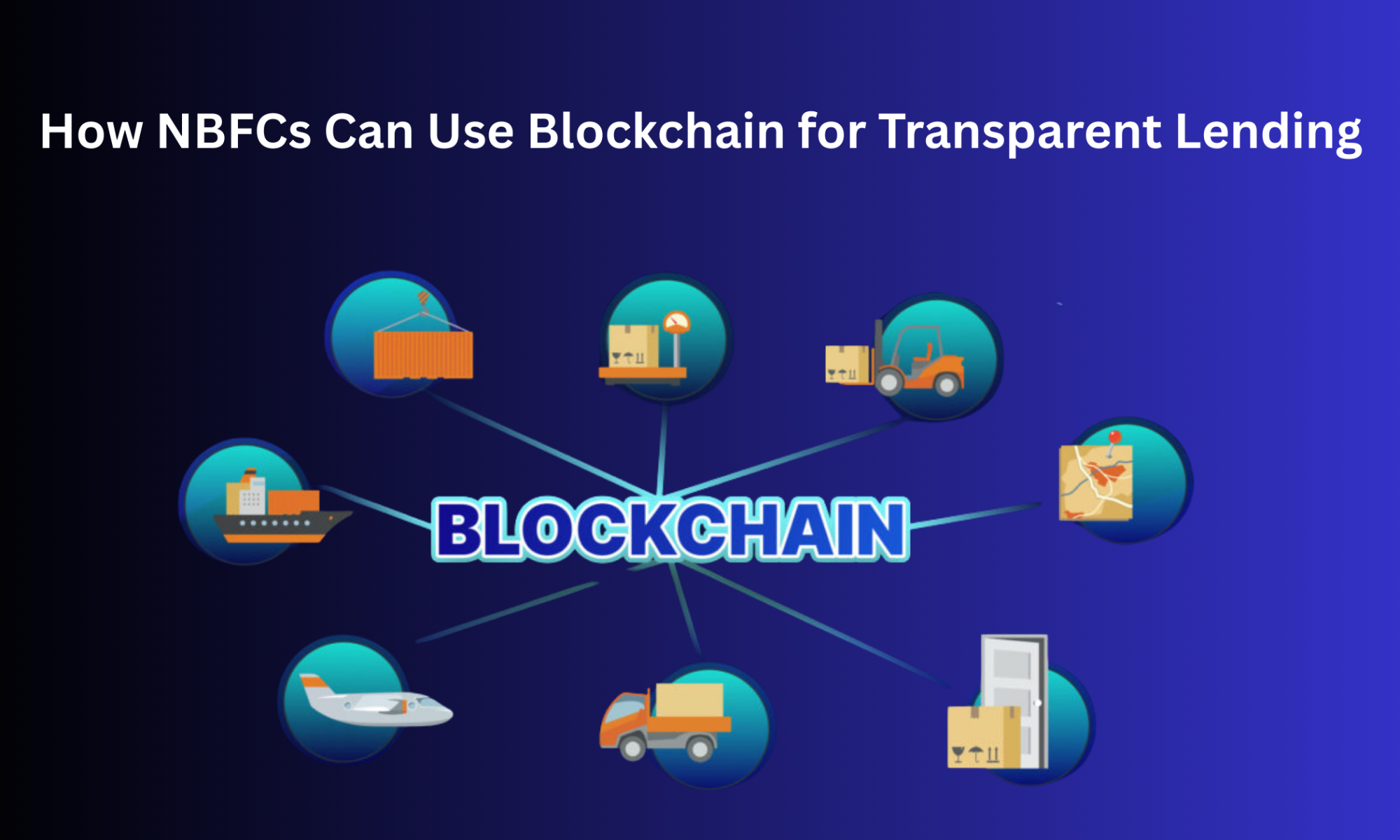
    How NBFCs Can Use Blockchain for Transparent Lending

    How NBFCs Can Use Blockchain for Transparent Lending

    Transparency and trust are critical pillars of the lending ecosystem. As India’s financial sector rapidly embraces digital transformation, Non-Banking Financial Companies (NBFCs) are increasingly exploring advanced technologies to improve efficiency, compliance, and customer confidence. One such transformative technology is blockchain.

    This blog explains how NBFCs can leverage blockchain to enable transparent lending while remaining compliant with regulatory requirements such as NBFC Registration in India and RBI licensing norms.

    Understanding Blockchain in the NBFC Lending Ecosystem

    Blockchain is a decentralized, tamper-proof digital ledger that records transactions in a transparent and immutable manner. For NBFCs, this means enhanced data integrity, real-time verification, and reduced dependency on intermediaries.

    NBFCs operating with a valid NBFC License in India can use blockchain to improve loan processing, documentation, repayment tracking, and regulatory reporting.

    Why Transparency Is a Challenge for NBFC Lending

    Despite regulatory oversight, NBFCs often face challenges such as:

    • Limited visibility into borrower credit history
    • Manual documentation and reconciliation errors
    • Delays in loan disbursement and repayments
    • Compliance risks under RBI and FEMA regulations

    Blockchain addresses these pain points by creating a single source of truth accessible to authorized stakeholders.

    Key Use Cases of Blockchain for NBFCs

    1. Secure Digital Loan Records

    Blockchain enables NBFCs to store loan agreements, borrower data, and repayment schedules on a secure ledger. Once recorded, data cannot be altered, ensuring complete transparency for auditors and regulators.

    NBFCs that complete NBFC Registration online in India can integrate blockchain-based documentation right from the onboarding stage.

    2. Smart Contracts for Automated Lending

    Smart contracts are self-executing agreements coded on blockchain. These contracts automatically trigger loan disbursements, EMI collections, or penalties once predefined conditions are met.

    For NBFCs with an NBFC license from RBI in India, smart contracts help:

    • Reduce operational costs
    • Eliminate manual intervention
    • Ensure compliance with lending terms

    3. Improved Credit Assessment and Fraud Prevention

    Blockchain allows NBFCs to access verified borrower data across institutions, reducing identity fraud and credit manipulation. This enhances due diligence and supports responsible lending practices.

    This is particularly beneficial for NBFCs onboarding customers through Online NBFC Registration in India and digital KYC systems.

    4. Transparent Repayment Tracking

    All repayments recorded on blockchain are time-stamped and immutable. Borrowers and lenders can view real-time repayment status, minimizing disputes and improving trust.

    Such transparency strengthens the credibility of NBFCs operating under a valid NBFC License in India.

    5. Regulatory Compliance and Audit Readiness

    Blockchain simplifies compliance by maintaining an auditable trail of every transaction. Regulators and auditors can access verified records instantly, reducing inspection timelines.

    NBFCs working with an experienced NBFC Registration Consultant in India can align blockchain adoption with RBI reporting standards.

    Role of Licensing in Blockchain-Enabled NBFCs

    Technology adoption does not replace regulatory compliance. NBFCs must still obtain proper authorization through NBFC registration online and comply with RBI capital, governance, and reporting norms.

    Holding a valid NBFC license online application approval ensures:

    • Legal recognition
    • Higher trust among investors and borrowers
    • Smooth integration of emerging technologies

    Professional support from an NBFC registration consultant helps NBFCs navigate licensing and technology alignment seamlessly.

    Challenges and Considerations

    While blockchain offers immense potential, NBFCs must consider:

    • Data privacy and cybersecurity risks
    • Integration with legacy systems
    • Regulatory clarity on decentralized finance models

    A phased implementation strategy, guided by compliance experts, helps mitigate these challenges.

    Future of Blockchain in NBFC Lending

    As India’s fintech ecosystem matures, blockchain is expected to play a central role in credit scoring, co-lending models, and cross-border financing. NBFCs that invest early in transparent lending frameworks will gain a strong competitive advantage.

    Securing an NBFC license from RBI in India and adopting blockchain-based systems positions NBFCs as trustworthy, future-ready financial institutions.

    Conclusion

    Blockchain has the potential to revolutionize NBFC lending by enhancing transparency, reducing fraud, and improving regulatory compliance. However, its success depends on a strong legal foundation and proper licensing.

    By completing NBFC Registration in India, obtaining the required RBI approvals, and working with a qualified NBFC Registration Consultant in India, NBFCs can confidently leverage blockchain to build a transparent, efficient, and scalable lending ecosystem.

    The Role of NBFCs in Promoting Cross-Border Trade Finance

    The Role of NBFCs in Promoting Cross-Border Trade Finance

    Introduction

    In today’s globalized economy, cross-border trade finance plays a crucial role in facilitating international business. While banks have traditionally dominated this sector, Non-Banking Financial Companies (NBFCs) are increasingly emerging as key enablers of trade finance, offering faster, more flexible, and innovative financial solutions to exporters and importers. With the growing demand for customized financial products, NBFCs are becoming indispensable players in promoting global commerce.

    However, before an institution can enter this space, obtaining an NBFC License from RBI in India and completing NBFC Registration in India are essential regulatory steps.

    Understanding Cross-Border Trade Finance

    Trade finance refers to financial instruments and products that enable companies to engage in international trade and commerce. It covers a range of services — from export credit and letters of credit to supply chain financing and invoice discounting.

    Traditional banks often have rigid credit policies and slow approval processes, which create funding gaps for small and medium enterprises (SMEs). This is where NBFCs are stepping in with more flexible, technology-driven, and customer-centric trade finance solutions.

    How NBFCs Are Driving Cross-Border Trade Finance

    1. Offering Alternative Credit Solutions

    NBFCs are bridging the gap between exporters/importers and traditional lenders. Through innovative financing models such as invoice discounting, factoring, and supply chain financing, NBFCs provide quick access to working capital — a vital requirement in global trade.

    2. Digitization and Fintech Integration

    Modern NBFCs leverage digital platforms to streamline processes such as credit assessment, document verification, and disbursement. Businesses can now complete NBFC registration online in India and partner with fintech-enabled NBFCs that use AI and blockchain for real-time trade financing.

    3. Simplifying Regulatory Complexities

    Cross-border trade involves multiple compliance checks, currency exchange regulations, and export-import documentation. Licensed NBFCs help simplify these complexities through structured financing products aligned with RBI norms. To operate legally in this space, it is mandatory to obtain an NBFC license from RBI in India.

    4. Supporting MSMEs and Startups

    Many small exporters and importers struggle to obtain financing from banks due to limited collateral or credit history. NBFCs, on the other hand, provide tailor-made credit solutions to MSMEs and emerging startups, promoting financial inclusion and enabling them to participate in international markets.

    5. Expanding India’s Global Trade Footprint

    By facilitating trade finance for smaller players, NBFCs contribute to India’s export growth, enhance liquidity in global supply chains, and improve trade competitiveness. This aligns with India’s broader economic goals of becoming a global trading powerhouse.

    Regulatory Framework for NBFCs in Trade Finance

    To participate in trade finance activities, an NBFC must first undergo proper registration and licensing under the supervision of the Reserve Bank of India (RBI).

    The key regulatory steps include:

    • NBFC Registration in India through RBI’s official portal.
    • Obtaining an NBFC License in India after fulfilling the capital and compliance requirements.
    • Businesses can also apply for NBFC registration online in India with the help of a professional NBFC registration consultant.
    • The NBFC license online process ensures transparency, compliance, and faster approvals.

    Partnering with a reputed NBFC registration consultant in India ensures that businesses meet all regulatory requirements and can focus on delivering innovative financial solutions.

    Why Choose Professional NBFC Registration Assistance

    Navigating the RBI’s complex registration process can be challenging. Engaging an experienced NBFC registration consultant in India helps streamline the entire procedure — from preparing the business plan to obtaining the final NBFC license from RBI in India. Consultants also provide guidance on compliance, capital structure, and business model optimization, helping financial startups get operational faster.

    Conclusion

    NBFCs are playing a transformative role in promoting cross-border trade finance by offering agile, tech-driven, and customer-centric financial solutions. As India continues to strengthen its position in global trade, the contribution of NBFCs in empowering MSMEs and facilitating international commerce cannot be overstated.

    NBFCs and the Rise of the Gig Workforce: Flexible Loans for a Dynamic Economy

    NBFCs and the Rise of the Gig Workforce: Flexible Loans for a Dynamic Economy

    India’s gig economy is expanding rapidly, transforming the traditional concept of employment. From delivery partners and freelancers to tech consultants and digital creators, gig workers now make up a large and growing segment of the workforce. However, one major challenge they face is access to credit — a space where Non-Banking Financial Companies (NBFCs) are stepping up with innovative, flexible loan solutions.

    In this blog, we’ll explore how NBFCs are empowering gig workers and freelancers while highlighting the importance of NBFC Registration in India and compliance with the RBI’s NBFC license framework.

    The Gig Economy: India’s New Workforce

    The gig economy thrives on flexibility and independence. Workers take up short-term projects or freelance contracts, often juggling multiple income sources. However, unlike traditional salaried employees, they lack consistent income proofs and formal credit histories, which makes it difficult to access traditional bank loans.

    This is where NBFCs — with their agility, technology-driven models, and alternative data assessment — are filling the gap.

    How NBFCs Are Supporting Gig Workers

    1. Flexible and Custom Loan Structures

    NBFCs have designed products like micro-loans, instant personal loans, and income-based credit lines tailored for freelancers and independent professionals. These loans are often disbursed digitally, with minimal documentation and faster approval.

    2. Alternative Credit Assessment

    Instead of relying solely on CIBIL scores, NBFCs assess gig workers’ earning potential using digital transaction data, invoices, and platform-based income records. This innovative approach improves financial inclusion for millions of informal earners.

    3. Technology Integration

    With digital onboarding and AI-driven credit scoring, NBFCs streamline the lending process. Entrepreneurs looking to enter this sector can now easily apply for NBFC Registration online in India or obtain an NBFC license online to launch similar lending platforms.

    4. Partnership with Gig Platforms

    Several NBFCs are collaborating with gig platforms and digital marketplaces to offer pre-approved loans or embedded finance solutions, ensuring easy access to working capital and emergency funds.

    Importance of NBFC Registration and Licensing

    To legally operate in India’s financial market, companies must obtain an NBFC License in India from the Reserve Bank of India (RBI). This ensures regulatory compliance, investor confidence, and long-term sustainability.

    Here’s how the process works:

    1. Apply for NBFC Registration Online in India by submitting the necessary documents and financial statements.
    2. Ensure compliance with the RBI’s net-owned fund requirements and corporate governance norms.
    3. Seek expert guidance from an NBFC Registration Consultant in India to streamline the application and approval process.
    4. Once approved, the company receives an NBFC license from RBI in India, allowing it to offer lending, leasing, and financial services.

    Professional NBFC registration consultants assist with documentation, compliance audits, and submission of applications for Online NBFC Registration in India, ensuring a smooth approval process.

    The Broader Impact on India’s Economy

    By catering to gig workers and freelancers, NBFCs are driving financial inclusion and supporting India’s digital transformation. Their innovative credit models not only empower individuals but also contribute to the country’s entrepreneurial growth and employment generation.

    Conclusion

    The synergy between NBFCs and the gig economy marks a new era of inclusive finance. As gig workers continue to redefine employment, NBFCs are ensuring they have equal access to credit through digital innovation and customized lending.

    For entrepreneurs, obtaining an NBFC license from RBI in India or applying for NBFC Registration online opens the door to this fast-growing segment — one that promises both profitability and social impact.

    With the right regulatory compliance and support from an experienced NBFC registration consultant, India’s financial ecosystem is well on its way to becoming more inclusive, tech-enabled, and responsive to the needs of the modern workforce.