
The Role of AI in Predicting Loan Defaults for NBFCs

The Role of AI in Predicting Loan Defaults for NBFCs

Non-Banking Financial Companies (NBFCs) play a crucial role in India’s financial ecosystem by providing credit to underserved segments, SMEs, and individuals. However, managing credit risk and predicting loan defaults remain significant challenges. With the advancement of technology, Artificial Intelligence (AI) has emerged as a powerful tool helping NBFCs enhance risk assessment, reduce defaults, and improve overall portfolio performance.

Understanding Loan Default Risks in NBFCs

Loan defaults can severely impact an NBFC’s profitability and regulatory standing. Traditional credit assessment models often rely on limited historical data and manual evaluation, which may not accurately capture borrower behavior. As regulatory scrutiny increases—especially for companies holding an NBFC license from RBI in India—adopting smarter risk management practices has become essential.

How AI Transforms Loan Default Prediction

AI-driven systems analyze vast amounts of structured and unstructured data to identify patterns that humans might miss. By leveraging machine learning algorithms, NBFCs can predict potential defaults with higher accuracy and speed.

AI helps NBFCs by:

  • Analyzing customer transaction behavior in real time
  • Evaluating alternative data such as digital footprints and spending habits
  • Detecting early warning signals of repayment stress
  • Continuously improving credit models through learning algorithms

These capabilities significantly enhance credit decision-making and portfolio quality.

Benefits of AI for NBFCs

The integration of AI in credit risk management delivers multiple advantages:

  • Improved accuracy in credit scoring
  • Faster loan approval processes
  • Reduced operational costs
  • Better compliance with RBI regulations
  • Lower non-performing assets (NPAs)

These benefits strengthen the credibility of NBFCs operating under an NBFC license online framework.

AI and Regulatory Compliance for NBFCs

As NBFCs adopt AI-driven systems, compliance with regulatory guidelines remains critical. Whether it is NBFC registration online or ongoing regulatory reporting, AI helps streamline compliance by automating documentation, monitoring risk exposure, and ensuring transparency in decision-making.

For new entrants, completing NBFC Registration online in India becomes smoother when technology-driven processes are aligned with regulatory requirements.

Importance of Expert Guidance in NBFC Registration

Setting up an NBFC involves complex legal and compliance procedures. Engaging a professional NBFC registration consultant or an experienced NBFC Registration Consultant in India ensures that licensing, capital requirements, and RBI approvals are handled efficiently.

Consultants also guide NBFCs in adopting technology frameworks, including AI-based risk assessment tools, after securing an NBFC license from RBI in India.

Why AI Adoption Is the Future for NBFCs

AI is no longer optional for NBFCs—it is a strategic necessity. With increasing competition and tighter regulations, NBFCs that leverage AI gain a strong advantage in managing credit risk, improving customer trust, and achieving sustainable growth.

Whether you are planning NBFC registration online or scaling an existing NBFC, integrating AI-driven credit risk solutions can significantly enhance business performance.

Conclusion

AI is transforming the way NBFCs predict loan defaults by enabling smarter, faster, and more accurate risk assessment. Combined with proper compliance and expert guidance from an NBFC registration consultant, NBFCs can build resilient financial institutions ready for the future.

For businesses seeking NBFC Registration online in India and aiming to operate under a valid NBFC license from RBI in India, embracing AI-powered technologies is a vital step toward long-term success.
NBFCs and Social Impact Investing: Aligning Profit with Purpose

NBFCs and Social Impact Investing: Aligning Profit with Purpose

In recent years, the Indian financial sector has witnessed a paradigm shift where profitability is no longer the sole measure of success. Social impact investing—investments that generate measurable social and environmental benefits alongside financial returns—is gaining strong momentum. At the forefront of this transformation are Non-Banking Financial Companies (NBFCs), which play a vital role in financial inclusion and sustainable development.

With a supportive regulatory framework and growing investor awareness, NBFCs are uniquely positioned to align profit with purpose. This blog explores how NBFCs can leverage social impact investing while navigating NBFC Registration in India and RBI compliance effectively.

Understanding Social Impact Investing in the NBFC Ecosyste

Social impact investing focuses on funding initiatives that address critical challenges such as:

  • Financial inclusion
  • Affordable housing
  • MSME development
  • Renewable energy
  • Healthcare and education financing

NBFCs, due to their flexibility and outreach, are natural vehicles for impact-driven lending and investment. Holding a valid NBFC License in India enables companies to design customized financial products targeted at underserved communities.

Why NBFCs Are Ideal for Social Impact Investing

1. Strong Reach in Underserved Markets

NBFCs often operate in areas where traditional banks have limited presence. Through proper NBFC registration online, companies can scale operations to support rural borrowers, startups, women entrepreneurs, and small businesses.

2. Regulatory Support from RBI

The NBFC license from RBI in India provides a structured framework that balances innovation with financial stability. RBI guidelines encourage responsible lending, transparency, and long-term sustainability—key pillars of social impact investing.

3. Flexible Business Models

Unlike banks, NBFCs can tailor credit products to suit impact-focused sectors. Whether financing electric vehicles or affordable housing, NBFCs can innovate once they complete Online NBFC Registration in India.

Role of NBFC Registration in Building Investor Confidence

Investors in social impact funds seek regulatory clarity and risk mitigation. A properly structured NBFC Registration in India demonstrates:

  • Legal credibility
  • Governance transparency
  • Compliance with RBI norms

Many startups opt for NBFC license online processes to streamline approvals and reduce time-to-market while maintaining compliance.

Digital Transformation and Impact Measurement

Technology is playing a crucial role in aligning profit with purpose. Through NBFC registration online and digital lending platforms, companies can:

  • Track borrower outcomes
  • Measure social impact metrics
  • Improve loan monitoring and recovery

This data-driven approach increases accountability and attracts ESG-focused investors.

Importance of Professional NBFC Registration Consultants

The regulatory process for obtaining an NBFC License in India is complex and documentation-intensive. Engaging an experienced NBFC registration consultant or NBFC Registration Consultant in India helps ensure:

  • Accurate RBI filings
  • Faster approvals
  • Proper capital structuring
  • Long-term compliance readiness

Professional guidance allows NBFC founders to focus on impact-driven strategies rather than regulatory hurdles.

Popular Social Impact Sectors for NBFCs

NBFCs operating under a valid NBFC license from RBI in India are actively investing in:

  • Microfinance and financial inclusion
  • Green and sustainable finance
  • Affordable healthcare loans
  • Skill development financing
  • Agri-finance and rural credit

These sectors offer stable returns while delivering measurable social benefits.

Challenges and Risk Management

While impact investing offers long-term value, NBFCs must address:

  • Credit risk in underserved segments
  • Regulatory compliance obligations
  • Impact measurement frameworks

Proper structuring during NBFC Registration online in India and continuous compliance monitoring help mitigate these challenges effectively.

Conclusion

NBFCs are redefining the future of finance by proving that profitability and social responsibility can coexist. Through structured NBFC Registration in India, strong governance, and impact-focused lending, NBFCs can attract socially conscious investors while delivering sustainable financial returns.

For entrepreneurs and institutions aiming to create meaningful change, obtaining an NBFC License in India is not just a regulatory milestone—it is a gateway to aligning business success with societal progress.

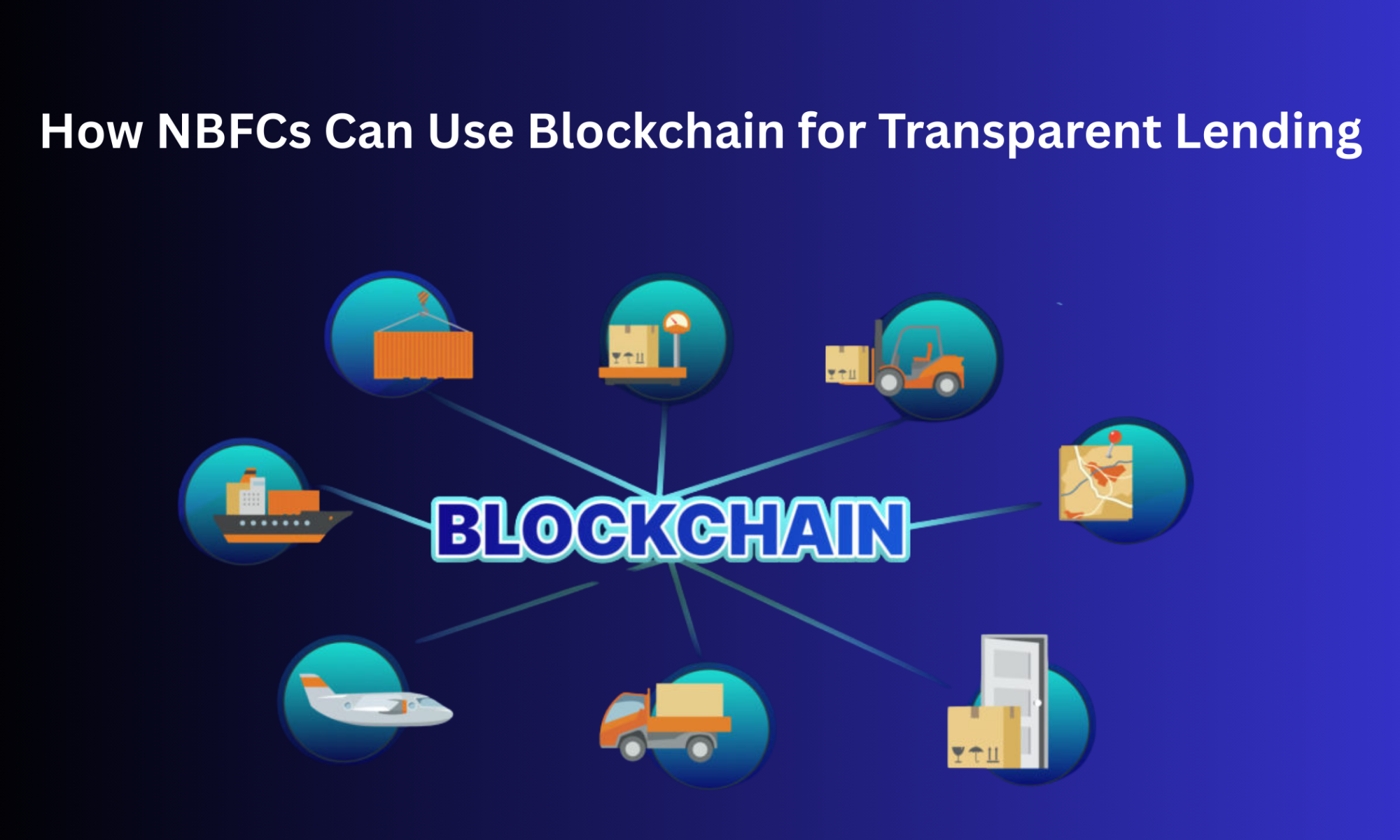
How NBFCs Can Use Blockchain for Transparent Lending

How NBFCs Can Use Blockchain for Transparent Lending

Transparency and trust are critical pillars of the lending ecosystem. As India’s financial sector rapidly embraces digital transformation, Non-Banking Financial Companies (NBFCs) are increasingly exploring advanced technologies to improve efficiency, compliance, and customer confidence. One such transformative technology is blockchain.

This blog explains how NBFCs can leverage blockchain to enable transparent lending while remaining compliant with regulatory requirements such as NBFC Registration in India and RBI licensing norms.

Understanding Blockchain in the NBFC Lending Ecosystem

Blockchain is a decentralized, tamper-proof digital ledger that records transactions in a transparent and immutable manner. For NBFCs, this means enhanced data integrity, real-time verification, and reduced dependency on intermediaries.

NBFCs operating with a valid NBFC License in India can use blockchain to improve loan processing, documentation, repayment tracking, and regulatory reporting.

Why Transparency Is a Challenge for NBFC Lending

Despite regulatory oversight, NBFCs often face challenges such as:

  • Limited visibility into borrower credit history
  • Manual documentation and reconciliation errors
  • Delays in loan disbursement and repayments
  • Compliance risks under RBI and FEMA regulations

Blockchain addresses these pain points by creating a single source of truth accessible to authorized stakeholders.

Key Use Cases of Blockchain for NBFCs

1. Secure Digital Loan Records

Blockchain enables NBFCs to store loan agreements, borrower data, and repayment schedules on a secure ledger. Once recorded, data cannot be altered, ensuring complete transparency for auditors and regulators.

NBFCs that complete NBFC Registration online in India can integrate blockchain-based documentation right from the onboarding stage.

2. Smart Contracts for Automated Lending

Smart contracts are self-executing agreements coded on blockchain. These contracts automatically trigger loan disbursements, EMI collections, or penalties once predefined conditions are met.

For NBFCs with an NBFC license from RBI in India, smart contracts help:

  • Reduce operational costs
  • Eliminate manual intervention
  • Ensure compliance with lending terms

3. Improved Credit Assessment and Fraud Prevention

Blockchain allows NBFCs to access verified borrower data across institutions, reducing identity fraud and credit manipulation. This enhances due diligence and supports responsible lending practices.

This is particularly beneficial for NBFCs onboarding customers through Online NBFC Registration in India and digital KYC systems.

4. Transparent Repayment Tracking

All repayments recorded on blockchain are time-stamped and immutable. Borrowers and lenders can view real-time repayment status, minimizing disputes and improving trust.

Such transparency strengthens the credibility of NBFCs operating under a valid NBFC License in India.

5. Regulatory Compliance and Audit Readiness

Blockchain simplifies compliance by maintaining an auditable trail of every transaction. Regulators and auditors can access verified records instantly, reducing inspection timelines.

NBFCs working with an experienced NBFC Registration Consultant in India can align blockchain adoption with RBI reporting standards.

Role of Licensing in Blockchain-Enabled NBFCs

Technology adoption does not replace regulatory compliance. NBFCs must still obtain proper authorization through NBFC registration online and comply with RBI capital, governance, and reporting norms.

Holding a valid NBFC license online application approval ensures:

  • Legal recognition
  • Higher trust among investors and borrowers
  • Smooth integration of emerging technologies

Professional support from an NBFC registration consultant helps NBFCs navigate licensing and technology alignment seamlessly.

Challenges and Considerations

While blockchain offers immense potential, NBFCs must consider:

  • Data privacy and cybersecurity risks
  • Integration with legacy systems
  • Regulatory clarity on decentralized finance models

A phased implementation strategy, guided by compliance experts, helps mitigate these challenges.

Future of Blockchain in NBFC Lending

As India’s fintech ecosystem matures, blockchain is expected to play a central role in credit scoring, co-lending models, and cross-border financing. NBFCs that invest early in transparent lending frameworks will gain a strong competitive advantage.

Securing an NBFC license from RBI in India and adopting blockchain-based systems positions NBFCs as trustworthy, future-ready financial institutions.

Conclusion

Blockchain has the potential to revolutionize NBFC lending by enhancing transparency, reducing fraud, and improving regulatory compliance. However, its success depends on a strong legal foundation and proper licensing.

By completing NBFC Registration in India, obtaining the required RBI approvals, and working with a qualified NBFC Registration Consultant in India, NBFCs can confidently leverage blockchain to build a transparent, efficient, and scalable lending ecosystem.

The Role of NBFCs in Promoting Cross-Border Trade Finance

The Role of NBFCs in Promoting Cross-Border Trade Finance

Introduction

In today’s globalized economy, cross-border trade finance plays a crucial role in facilitating international business. While banks have traditionally dominated this sector, Non-Banking Financial Companies (NBFCs) are increasingly emerging as key enablers of trade finance, offering faster, more flexible, and innovative financial solutions to exporters and importers. With the growing demand for customized financial products, NBFCs are becoming indispensable players in promoting global commerce.

However, before an institution can enter this space, obtaining an NBFC License from RBI in India and completing NBFC Registration in India are essential regulatory steps.

Understanding Cross-Border Trade Finance

Trade finance refers to financial instruments and products that enable companies to engage in international trade and commerce. It covers a range of services — from export credit and letters of credit to supply chain financing and invoice discounting.

Traditional banks often have rigid credit policies and slow approval processes, which create funding gaps for small and medium enterprises (SMEs). This is where NBFCs are stepping in with more flexible, technology-driven, and customer-centric trade finance solutions.

How NBFCs Are Driving Cross-Border Trade Finance

1. Offering Alternative Credit Solutions

NBFCs are bridging the gap between exporters/importers and traditional lenders. Through innovative financing models such as invoice discounting, factoring, and supply chain financing, NBFCs provide quick access to working capital — a vital requirement in global trade.

2. Digitization and Fintech Integration

Modern NBFCs leverage digital platforms to streamline processes such as credit assessment, document verification, and disbursement. Businesses can now complete NBFC registration online in India and partner with fintech-enabled NBFCs that use AI and blockchain for real-time trade financing.

3. Simplifying Regulatory Complexities

Cross-border trade involves multiple compliance checks, currency exchange regulations, and export-import documentation. Licensed NBFCs help simplify these complexities through structured financing products aligned with RBI norms. To operate legally in this space, it is mandatory to obtain an NBFC license from RBI in India.

4. Supporting MSMEs and Startups

Many small exporters and importers struggle to obtain financing from banks due to limited collateral or credit history. NBFCs, on the other hand, provide tailor-made credit solutions to MSMEs and emerging startups, promoting financial inclusion and enabling them to participate in international markets.

5. Expanding India’s Global Trade Footprint

By facilitating trade finance for smaller players, NBFCs contribute to India’s export growth, enhance liquidity in global supply chains, and improve trade competitiveness. This aligns with India’s broader economic goals of becoming a global trading powerhouse.

Regulatory Framework for NBFCs in Trade Finance

To participate in trade finance activities, an NBFC must first undergo proper registration and licensing under the supervision of the Reserve Bank of India (RBI).

The key regulatory steps include:

  • NBFC Registration in India through RBI’s official portal.
  • Obtaining an NBFC License in India after fulfilling the capital and compliance requirements.
  • Businesses can also apply for NBFC registration online in India with the help of a professional NBFC registration consultant.
  • The NBFC license online process ensures transparency, compliance, and faster approvals.

Partnering with a reputed NBFC registration consultant in India ensures that businesses meet all regulatory requirements and can focus on delivering innovative financial solutions.

Why Choose Professional NBFC Registration Assistance

Navigating the RBI’s complex registration process can be challenging. Engaging an experienced NBFC registration consultant in India helps streamline the entire procedure — from preparing the business plan to obtaining the final NBFC license from RBI in India. Consultants also provide guidance on compliance, capital structure, and business model optimization, helping financial startups get operational faster.

Conclusion

NBFCs are playing a transformative role in promoting cross-border trade finance by offering agile, tech-driven, and customer-centric financial solutions. As India continues to strengthen its position in global trade, the contribution of NBFCs in empowering MSMEs and facilitating international commerce cannot be overstated.

NBFCs and the Rise of the Gig Workforce: Flexible Loans for a Dynamic Economy

NBFCs and the Rise of the Gig Workforce: Flexible Loans for a Dynamic Economy

India’s gig economy is expanding rapidly, transforming the traditional concept of employment. From delivery partners and freelancers to tech consultants and digital creators, gig workers now make up a large and growing segment of the workforce. However, one major challenge they face is access to credit — a space where Non-Banking Financial Companies (NBFCs) are stepping up with innovative, flexible loan solutions.

In this blog, we’ll explore how NBFCs are empowering gig workers and freelancers while highlighting the importance of NBFC Registration in India and compliance with the RBI’s NBFC license framework.

The Gig Economy: India’s New Workforce

The gig economy thrives on flexibility and independence. Workers take up short-term projects or freelance contracts, often juggling multiple income sources. However, unlike traditional salaried employees, they lack consistent income proofs and formal credit histories, which makes it difficult to access traditional bank loans.

This is where NBFCs — with their agility, technology-driven models, and alternative data assessment — are filling the gap.

How NBFCs Are Supporting Gig Workers

1. Flexible and Custom Loan Structures

NBFCs have designed products like micro-loans, instant personal loans, and income-based credit lines tailored for freelancers and independent professionals. These loans are often disbursed digitally, with minimal documentation and faster approval.

2. Alternative Credit Assessment

Instead of relying solely on CIBIL scores, NBFCs assess gig workers’ earning potential using digital transaction data, invoices, and platform-based income records. This innovative approach improves financial inclusion for millions of informal earners.

3. Technology Integration

With digital onboarding and AI-driven credit scoring, NBFCs streamline the lending process. Entrepreneurs looking to enter this sector can now easily apply for NBFC Registration online in India or obtain an NBFC license online to launch similar lending platforms.

4. Partnership with Gig Platforms

Several NBFCs are collaborating with gig platforms and digital marketplaces to offer pre-approved loans or embedded finance solutions, ensuring easy access to working capital and emergency funds.

Importance of NBFC Registration and Licensing

To legally operate in India’s financial market, companies must obtain an NBFC License in India from the Reserve Bank of India (RBI). This ensures regulatory compliance, investor confidence, and long-term sustainability.

Here’s how the process works:

  1. Apply for NBFC Registration Online in India by submitting the necessary documents and financial statements.
  2. Ensure compliance with the RBI’s net-owned fund requirements and corporate governance norms.
  3. Seek expert guidance from an NBFC Registration Consultant in India to streamline the application and approval process.
  4. Once approved, the company receives an NBFC license from RBI in India, allowing it to offer lending, leasing, and financial services.

Professional NBFC registration consultants assist with documentation, compliance audits, and submission of applications for Online NBFC Registration in India, ensuring a smooth approval process.

The Broader Impact on India’s Economy

By catering to gig workers and freelancers, NBFCs are driving financial inclusion and supporting India’s digital transformation. Their innovative credit models not only empower individuals but also contribute to the country’s entrepreneurial growth and employment generation.

Conclusion

The synergy between NBFCs and the gig economy marks a new era of inclusive finance. As gig workers continue to redefine employment, NBFCs are ensuring they have equal access to credit through digital innovation and customized lending.

For entrepreneurs, obtaining an NBFC license from RBI in India or applying for NBFC Registration online opens the door to this fast-growing segment — one that promises both profitability and social impact.

With the right regulatory compliance and support from an experienced NBFC registration consultant, India’s financial ecosystem is well on its way to becoming more inclusive, tech-enabled, and responsive to the needs of the modern workforce.

Debt Syndication and Co-Lending Models Among NBFCs and Banks

Debt Syndication and Co-Lending Models Among NBFCs and Banks

The financial ecosystem in India is rapidly evolving, with Non-Banking Financial Companies (NBFCs) and banks forming strategic alliances to expand credit availability. Two of the most significant mechanisms driving this collaboration are debt syndication and co-lending models. For NBFCs, both models present opportunities to enhance lending capacity, diversify risks, and ensure long-term sustainability. But to participate in these models, entities must first secure an NBFC License in India and remain compliant with regulatory requirements.

What is Debt Syndication?

Debt syndication refers to the process of raising large amounts of funds through a group of lenders rather than a single financial institution. In this model, NBFCs act as arrangers or intermediaries to secure loans for businesses, especially mid-sized and large corporates.

Benefits of Debt Syndication through NBFCs:

  • Access to larger funding pools for borrowers.
  • Diversification of risk among multiple lenders.
  • Faster and more structured financing solutions.
  • Opportunities for NBFCs to strengthen their advisory role in financial markets.

For NBFCs to effectively engage in syndication, obtaining an NBFC License from RBI in India is mandatory. Without regulatory approval, companies cannot act as arrangers or lenders in such deals.

Co-Lending Models Between NBFCs and Banks

The co-lending model (CLM) was introduced by the RBI to increase credit flow to priority sectors and underserved markets. Under this framework, NBFCs and banks share risks and rewards by jointly lending to borrowers.

How the Co-Lending Model Works:

  1. Origination: The NBFC originates the loan by assessing borrower needs and onboarding customers.
  2. Risk Sharing: Both the NBFC and bank contribute funds to the loan portfolio, typically in a pre-agreed ratio.
  3. Servicing: The NBFC handles collection, monitoring, and customer interaction, while the bank provides liquidity support.
  4. Risk Mitigation: Risks are shared between both entities, ensuring balanced exposure.

This model benefits borrowers by improving credit accessibility, while NBFCs benefit from liquidity infusion and banks gain from outreach to new customer segments.

Importance of NBFC Registration in India

For NBFCs, participating in debt syndication or co-lending arrangements requires NBFC Registration in India. Operating without proper authorization may result in legal consequences and reputational damage.

With digital advancements, NBFC Registration Online in India has simplified the process for new entrants. Entities can now complete NBFC registration online with minimal paperwork, provided they meet the eligibility criteria set by the RBI.

Role of NBFC Registration Consultants

Navigating regulatory complexities can be challenging for new businesses. Partnering with an experienced NBFC Registration Consultant in India helps entities streamline the process, prepare accurate documentation, and secure timely approvals. Consultants also assist in applying for an NBFC license online, ensuring compliance with RBI norms.

Conclusion

The growing relevance of debt syndication and co-lending models highlights the importance of NBFC-bank collaboration in strengthening India’s financial sector. However, for NBFCs to participate effectively, securing an NBFC License in India remains the first step. With online NBFC registration in India and the guidance of a trusted NBFC registration consultant, businesses can easily enter this dynamic market and leverage emerging opportunities.

NBFCs vs. ARCs (Asset Reconstruction Companies): Regulatory Overview

NBFCs vs. ARCs (Asset Reconstruction Companies): Regulatory Overview

India’s financial sector has seen rapid evolution, with Non-Banking Financial Companies (NBFCs) and Asset Reconstruction Companies (ARCs) playing distinct yet complementary roles. While NBFCs provide credit and financial services to individuals and businesses, ARCs focus on resolving stressed assets in the banking ecosystem. Both operate under the regulatory purview of the Reserve Bank of India (RBI), but their functions, licensing requirements, and compliance obligations differ significantly.

Just as businesses rely on structured processes like NBFC Registration in India or applying for an NBFC License in India, ARCs too must meet strict RBI norms before commencing operations. Understanding these differences is critical for entrepreneurs, investors, and financial consultants.

What is an NBFC?

An NBFC (Non-Banking Financial Company) provides financial services such as loans, asset financing, microfinance, leasing, and investments. Unlike banks, NBFCs cannot accept demand deposits, but they bridge the credit gap for underserved sectors.

  • To start an NBFC, entities must undergo NBFC Registration online in India or Online NBFC Registration in India.
  • They must secure an NBFC license from RBI in India, ensuring compliance with minimum net owned funds, governance standards, and prudential norms.
  • Many entrepreneurs prefer working with an NBFC Registration Consultant in India or NBFC registration consultant to simplify the process.

The availability of NBFC license online application systems has made it easier for businesses to enter this regulated space.

What is an ARC?

An Asset Reconstruction Company (ARC) specializes in acquiring non-performing assets (NPAs) from banks and financial institutions. By restructuring or recovering these stressed assets, ARCs help clean up balance sheets and revive credit flow in the economy.

Unlike NBFCs that focus on credit delivery, ARCs function as resolution entities under the Securitisation and Reconstruction of Financial Assets and Enforcement of Security Interest (SARFAESI) Act. They are also regulated by RBI but follow a separate licensing and compliance process.

Regulatory Framework: NBFCs vs. ARCs

  1. Licensing
    • NBFCs: Require an NBFC License in India issued by RBI after completing NBFC Registration in India.
    • ARCs: Need approval under the SARFAESI Act and must maintain a minimum capital adequacy ratio.
  2. Scope of Activities
    • NBFCs: Offer financial products like loans, leasing, and investments.
    • ARCs: Focus on purchasing, restructuring, and recovering bad loans.
  3. Compliance Requirements
    • NBFCs: Must adhere to RBI’s prudential norms, capital requirements, and regular filings.
    • ARCs: Must follow RBI’s guidelines on asset classification, provisioning, and recovery.
  4. Target Market
    • NBFCs: Cater to individuals, SMEs, and businesses needing financial support.
    • ARCs: Primarily interact with banks and financial institutions offloading NPAs.

Why Entrepreneurs Should Consider NBFCs

For entrepreneurs, NBFCs offer broader opportunities in consumer and business lending. With increasing digital adoption, applying for NBFC registration online or an NBFC license online has become straightforward. Partnering with an NBFC registration consultant ensures smooth compliance and faster approval of the NBFC license from RBI in India.

Final Thoughts

While NBFCs and ARCs both play critical roles in India’s financial ecosystem, their business models and regulatory frameworks are very different. NBFC Registration in India enables companies to participate in credit delivery and financial inclusion, whereas ARCs focus on resolving stressed assets and maintaining banking stability.

For those exploring new ventures in financial services, obtaining an NBFC License in India through Online NBFC Registration in India—with guidance from an experienced NBFC Registration Consultant in India—remains a profitable and impactful choice.

The Importance of Board Governance in NBFCs Under RBI’s New Norms

The Importance of Board Governance in NBFCs Under RBI’s New Norms

The role of Non-Banking Financial Companies (NBFCs) in India’s financial ecosystem has grown tremendously over the last decade. As NBFCs expand their reach into rural and urban markets, the Reserve Bank of India (RBI) has introduced stricter regulatory frameworks to ensure stability, transparency, and investor protection. One key focus area under the new norms is board governance.

For companies seeking NBFC Registration in India, understanding and implementing strong governance practices is no longer optional—it is a mandatory requirement that shapes the sustainability and credibility of their business.

Why Governance Matters for NBFC

Board governance ensures that NBFCs are managed responsibly and ethically. With a properly functioning board, NBFCs can:

  • Maintain compliance with NBFC license from RBI in India conditions.
  • Protect the interests of borrowers, investors, and stakeholders.
  • Prevent financial mismanagement, fraud, or operational risks.
  • Enhance reputation and trust in a highly competitive financial market.

For businesses applying for an NBFC License in India, robust governance policies demonstrate long-term viability and seriousness toward compliance.

RBI’s New Norms for NBFC Governance

The RBI has emphasized greater accountability by introducing governance-related measures, including:

  1. Board Composition Requirements – Independent directors must be appointed to strengthen decision-making.
  2. Risk Management Committees – NBFCs must establish dedicated committees to oversee credit, liquidity, and operational risks.
  3. Disclosure Norms – Transparent disclosures on lending practices, related-party transactions, and financial risks.
  4. Fit and Proper Criteria – Directors must meet RBI’s eligibility norms before being appointed.

For companies opting for NBFC Registration Online in India, these rules are part of the evaluation process. A NBFC Registration Consultant in India can help businesses design governance structures aligned with RBI’s expectations.

Role of Consultants in NBFC Registration

The process of obtaining an NBFC License Online can be complex, requiring detailed documentation and compliance with RBI’s standards. A professional NBFC Registration Consultant helps in:

  • Drafting a compliant governance framework.
  • Ensuring adherence to RBI norms during Online NBFC Registration in India.
  • Preparing board policies for risk management and internal audits.
  • Supporting post-registration compliance to maintain a valid license.

Without expert guidance, businesses risk rejection or delays in securing their NBFC license from RBI in India.

Governance as a Growth Enabler

Strong governance is not just about compliance—it creates business value. NBFCs with transparent practices attract investors, maintain better relationships with regulators, and build customer confidence. Whether applying for NBFC Registration Online or expanding operations, governance will remain the foundation of long-term success.

Conclusion

The RBI’s new norms have made board governance a central requirement for NBFCs in India. For entrepreneurs and businesses seeking NBFC Registration in India, building a strong governance framework is critical for approval and future growth. Engaging a trusted NBFC Registration Consultant in India ensures compliance, credibility, and a smoother path toward securing an NBFC License in India.

In a sector where trust and transparency drive business, governance is not just important—it is indispensable.

NBFC Licensing in GIFT City: Opportunities Under IFSCA Framework

NBFC Licensing in GIFT City: Opportunities Under IFSCA Framework

India’s financial landscape is undergoing a major transformation with the establishment of GIFT City (Gujarat International Finance Tec-City), India’s first International Financial Services Centre (IFSC). For Non-Banking Financial Companies (NBFCs), this hub presents a unique opportunity to operate under the regulatory oversight of the International Financial Services Centres Authority (IFSCA) while tapping into global markets. Entrepreneurs exploring NBFC Registration in India now have a progressive pathway through GIFT City, offering flexibility, growth, and international exposure.

Why GIFT City is Attractive for NBFCs

GIFT City is designed as a global financial hub, attracting institutions in banking, insurance, fintech, and capital markets. For NBFCs, operating here provides benefits beyond a traditional NBFC License in India issued by the Reserve Bank of India (RBI). Some of the key advantages include:

  • Access to international investors and markets.
  • Tax incentives and exemptions under the IFSC framework.
  • A simplified regulatory environment compared to domestic regulations.
  • Opportunities to collaborate with global financial institutions.

NBFC Licensing Under the IFSCA Framework

Unlike the conventional NBFC license from RBI in India, NBFCs in GIFT City are regulated by IFSCA, which provides a customized framework to encourage innovation and global competitiveness. Businesses can apply for NBFC license online through the IFSCA portal, streamlining compliance and registration processes.

For entities considering NBFC registration online in India, GIFT City offers:

  • Faster approvals compared to traditional domestic licensing.
  • Flexibility in business models, including leasing, factoring, and financing international transactions.
  • Simplified norms for capital requirements and reporting.

Role of NBFC Registration Consultants

The process of securing an NBFC license in India or through GIFT City requires careful navigation of regulatory requirements. Engaging an experienced NBFC Registration Consultant in India ensures:

  • Proper documentation for NBFC registration online applications.
  • Guidance on choosing between NBFC license online under IFSCA vs. RBI.
  • Strategic advice on leveraging tax and regulatory benefits available in GIFT City.

With online NBFC registration in India becoming more streamlined, consultants play a key role in helping entrepreneurs avoid delays and compliance risks.

Opportunities for Growth

NBFCs licensed under the IFSCA framework in GIFT City can engage in activities such as:

  • Offshore lending and borrowing.
  • Trade finance and factoring.
  • Asset financing and international leasing.
  • Investment facilitation for foreign clients.

This global reach distinguishes GIFT City NBFCs from those operating solely under domestic regulations, making it a future-ready choice for ambitious financial entrepreneurs.

Conclusion

The rise of GIFT City under the IFSCA framework offers a golden opportunity for NBFCs to expand globally while benefiting from regulatory flexibility and tax incentives. Whether through NBFC Registration in India with RBI or through NBFC license online in GIFT City, entrepreneurs must carefully evaluate their business goals. Partnering with an expert NBFC registration consultant ensures smooth compliance, unlocking the true potential of operating in India’s only IFSC.

How NBFCs Are Supporting Women Entrepreneurs and Women-Led Startups

How NBFCs Are Supporting Women Entrepreneurs and Women-Led Startups

In recent years, women entrepreneurs and women-led startups have emerged as powerful drivers of India’s economic growth. From technology and e-commerce to education and healthcare, women-led ventures are shaping the future of business. However, one of the biggest challenges these enterprises face is access to timely and affordable credit. This is where Non-Banking Financial Companies (NBFCs) are playing a crucial role.

With easier access to loans, flexible financial products, and supportive regulatory frameworks like NBFC Registration in India, NBFCs are empowering women to transform ideas into sustainable businesses.

Why NBFCs Are Important for Women Entrepreneurs

Traditional banks often have strict collateral requirements and lengthy processes, making it difficult for small women-led startups to secure funding. On the other hand, NBFCs are more flexible and innovative in their approach.

  • Tailored Loan Products: Many NBFCs design credit products specifically for women entrepreneurs.
  • Minimal Collateral Requirements: Unlike banks, NBFCs often offer unsecured loans, making them more accessible.
  • Quick Processing: Digital platforms and NBFC registration online have made loan approvals faster.
  • Inclusivity: NBFCs focus on underserved segments, including women-led micro, small, and medium enterprises (MSMEs).

NBFC Licensing and Its Role in Expanding Access

For an NBFC to operate legally, it must obtain an NBFC License from RBI in India. This ensures transparency, compliance, and trust among borrowers. With more companies completing NBFC registration online in India, women entrepreneurs are finding it easier to connect with credible financial institutions.

Obtaining an NBFC License in India also allows these companies to expand their services to include microfinance, asset-backed lending, and working capital solutions—tools that are especially valuable for women-led startups.

How Online NBFC Registration in India Is Helping

The process of online NBFC registration in India has streamlined the way financial companies are set up. This has led to:

  • More Players in the Market: Increasing the availability of funds for women entrepreneurs.
  • Digital Lending Platforms: NBFCs with an NBFC license online can reach remote areas and underserved women-led businesses.
  • Faster Disbursement of Funds: Startups led by women can secure working capital without waiting months for approval.

For businesses considering entry into this sector, working with an NBFC Registration Consultant in India ensures compliance with RBI guidelines and smooth registration.

The Role of NBFC Registration Consultants

Navigating the regulatory process can be complex, especially when applying for an NBFC license from RBI in India. Here’s where an NBFC registration consultant becomes valuable:

  • Guiding through eligibility criteria and documentation
  • Assisting with NBFC registration online applications
  • Ensuring RBI compliance for a hassle-free license approval
  • Helping businesses choose the right NBFC model to serve women entrepreneurs effectively

By making the process seamless, consultants indirectly contribute to the growth of women-led startups by increasing the number of regulated NBFCs in the market.

Success Stories: Women Empowered Through NBFCs

  1. Micro-Enterprises – Women running small businesses like tailoring, handicrafts, or home bakeries often receive microfinance loans from NBFCs, helping them scale operations.
  2. Startups in Tier 2 & 3 Cities – With the rise of digital lending, women outside metros are accessing funds and entering markets they previously couldn’t.
  3. Tech & E-Commerce Ventures – NBFC-backed working capital loans enable women entrepreneurs to manage inventory, hire talent, and expand their reach.

Conclusion

NBFCs are not just financial institutions—they are enablers of inclusive growth. By simplifying credit access, creating customized financial products, and expanding through online NBFC registration in India, they are unlocking opportunities for women entrepreneurs and women-led startups.

For businesses interested in contributing to this transformation, obtaining an NBFC License in India is a step toward building a stronger, more inclusive financial ecosystem. With expert support from an NBFC registration consultant in India, the process of securing an NBFC license online becomes easier, allowing NBFCs to play an even bigger role in empowering women entrepreneurs across the country.