
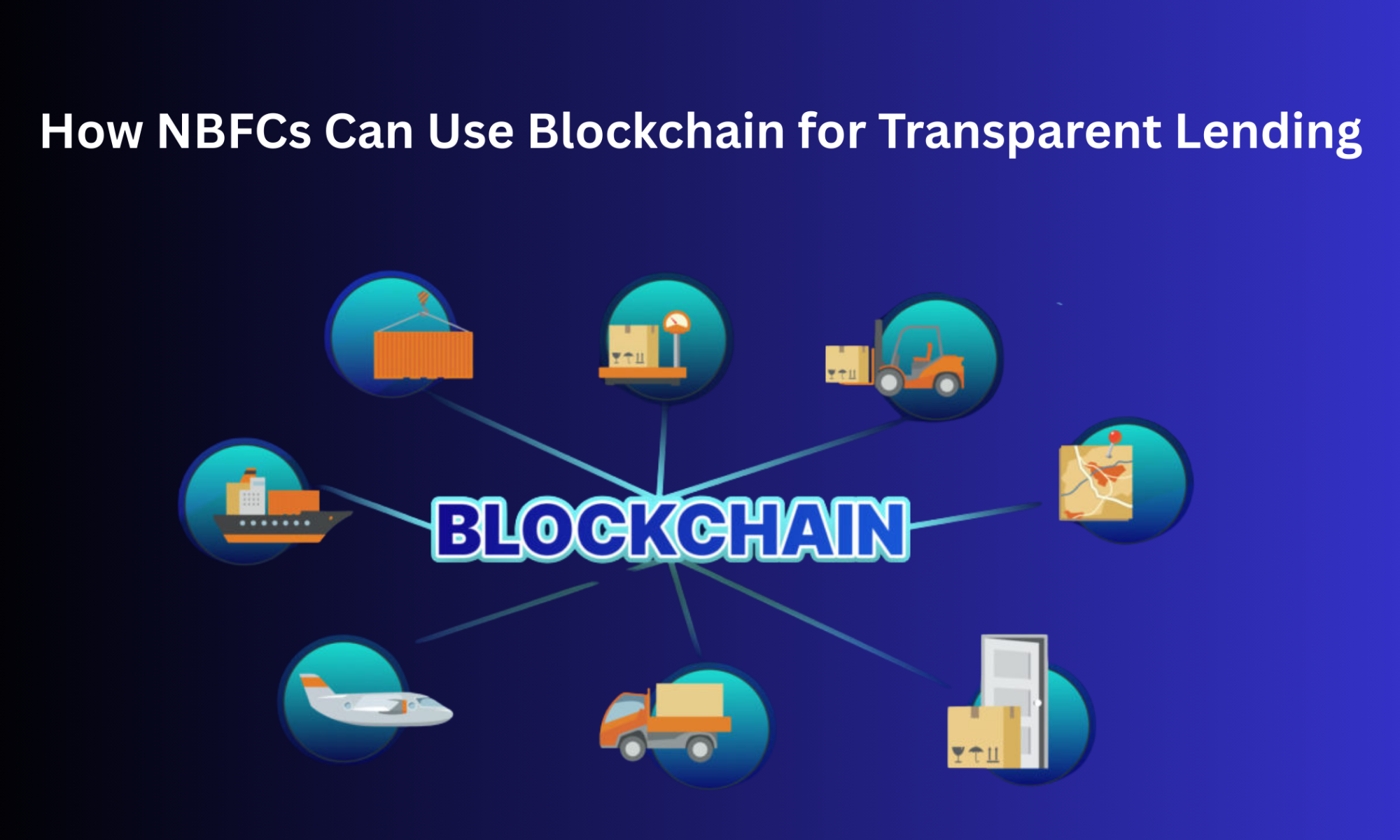
Transparency and trust are critical pillars of the lending ecosystem. As India’s financial sector rapidly embraces digital transformation, Non-Banking Financial Companies (NBFCs) are increasingly exploring advanced technologies to improve efficiency, compliance, and customer confidence. One such transformative technology is blockchain.
This blog explains how NBFCs can leverage blockchain to enable transparent lending while remaining compliant with regulatory requirements such as NBFC Registration in India and RBI licensing norms.
Understanding Blockchain in the NBFC Lending Ecosystem
Blockchain is a decentralized, tamper-proof digital ledger that records transactions in a transparent and immutable manner. For NBFCs, this means enhanced data integrity, real-time verification, and reduced dependency on intermediaries.
NBFCs operating with a valid NBFC License in India can use blockchain to improve loan processing, documentation, repayment tracking, and regulatory reporting.
Why Transparency Is a Challenge for NBFC Lending
Despite regulatory oversight, NBFCs often face challenges such as:
- Limited visibility into borrower credit history
- Manual documentation and reconciliation errors
- Delays in loan disbursement and repayments
- Compliance risks under RBI and FEMA regulations
Blockchain addresses these pain points by creating a single source of truth accessible to authorized stakeholders.
Key Use Cases of Blockchain for NBFCs
1. Secure Digital Loan Records
Blockchain enables NBFCs to store loan agreements, borrower data, and repayment schedules on a secure ledger. Once recorded, data cannot be altered, ensuring complete transparency for auditors and regulators.
NBFCs that complete NBFC Registration online in India can integrate blockchain-based documentation right from the onboarding stage.
2. Smart Contracts for Automated Lending
Smart contracts are self-executing agreements coded on blockchain. These contracts automatically trigger loan disbursements, EMI collections, or penalties once predefined conditions are met.
For NBFCs with an NBFC license from RBI in India, smart contracts help:
- Reduce operational costs
- Eliminate manual intervention
- Ensure compliance with lending terms
3. Improved Credit Assessment and Fraud Prevention
Blockchain allows NBFCs to access verified borrower data across institutions, reducing identity fraud and credit manipulation. This enhances due diligence and supports responsible lending practices.
This is particularly beneficial for NBFCs onboarding customers through Online NBFC Registration in India and digital KYC systems.
4. Transparent Repayment Tracking
All repayments recorded on blockchain are time-stamped and immutable. Borrowers and lenders can view real-time repayment status, minimizing disputes and improving trust.
Such transparency strengthens the credibility of NBFCs operating under a valid NBFC License in India.
5. Regulatory Compliance and Audit Readiness
Blockchain simplifies compliance by maintaining an auditable trail of every transaction. Regulators and auditors can access verified records instantly, reducing inspection timelines.
NBFCs working with an experienced NBFC Registration Consultant in India can align blockchain adoption with RBI reporting standards.
Role of Licensing in Blockchain-Enabled NBFCs
Technology adoption does not replace regulatory compliance. NBFCs must still obtain proper authorization through NBFC registration online and comply with RBI capital, governance, and reporting norms.
Holding a valid NBFC license online application approval ensures:
- Legal recognition
- Higher trust among investors and borrowers
- Smooth integration of emerging technologies
Professional support from an NBFC registration consultant helps NBFCs navigate licensing and technology alignment seamlessly.
Challenges and Considerations
While blockchain offers immense potential, NBFCs must consider:
- Data privacy and cybersecurity risks
- Integration with legacy systems
- Regulatory clarity on decentralized finance models
A phased implementation strategy, guided by compliance experts, helps mitigate these challenges.
Future of Blockchain in NBFC Lending
As India’s fintech ecosystem matures, blockchain is expected to play a central role in credit scoring, co-lending models, and cross-border financing. NBFCs that invest early in transparent lending frameworks will gain a strong competitive advantage.
Securing an NBFC license from RBI in India and adopting blockchain-based systems positions NBFCs as trustworthy, future-ready financial institutions.
Conclusion
Blockchain has the potential to revolutionize NBFC lending by enhancing transparency, reducing fraud, and improving regulatory compliance. However, its success depends on a strong legal foundation and proper licensing.
By completing NBFC Registration in India, obtaining the required RBI approvals, and working with a qualified NBFC Registration Consultant in India, NBFCs can confidently leverage blockchain to build a transparent, efficient, and scalable lending ecosystem.